
Sub-Total: $0.00
TIPM Failure Symptoms and Repair Options Explained Simply for You
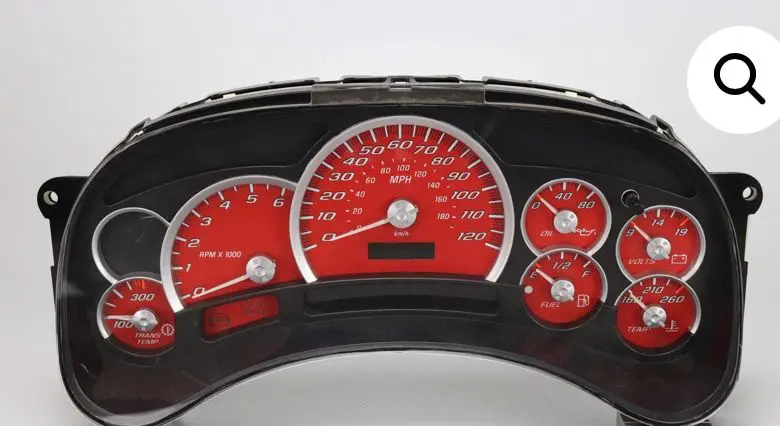

If your Dodge or Chrysler is acting up, the culprit could be a failing TIPM (Totally Integrated Power Module). Common signs include power loss to important systems, random electrical glitches, or trouble starting your vehicle. Catching these symptoms early can save you from bigger, costlier problems down the road.
When it comes to fixing a bad TIPM, you’ve got options. Repairing the module can save you hundreds compared to buying a full replacement from the dealer. Whether you want to tackle it yourself or rely on a factory-trained technician, knowing the symptoms and repair choices will help you find the best fit for your needs and budget.
At Digitech Auto Solutions, we specialize in fast, expert TIPM repairs with video proof before you pay—so you know exactly what you’re getting.
Ready to get your Dodge or Chrysler back on the road? Start your repair today by filling out our Service Order Form and shipping your TIPM to us!
What Is a TIPM?
The TIPM controls many important electrical parts of your vehicle. It acts like a traffic cop, sending power to the right systems at the right time. Knowing what it does and which vehicles use it helps you spot problems and choose the right fix.
Functions of the TIPM
The TIPM, or Totally Integrated Power Module, manages power flow for systems like your headlights, windshield wipers, fuel pump, and interior lights. It combines fuses and relays into one unit, organizing your vehicle’s electrical system.
It also controls the power windows, door locks, and sometimes the engine’s starter circuit. If the TIPM fails, you might see warning lights, dim lights, or problems starting your car.
Vehicles Commonly Affected
TIPMs are mostly found in Dodge, Chrysler, Jeep, and Ram vehicles from around 2007 to the mid-2010s. Models like the Dodge Durango, Jeep Grand Cherokee, and Ram 1500 use TIPMs to manage electrical operations.
These vehicles often share similar TIPM designs. If you own one, you may face TIPM-related problems. Knowing your vehicle uses a TIPM can guide you toward the right repair.
Early Warning Signs of TIPM Failure
You might notice strange electrical problems, dashboard warnings, or trouble starting your vehicle when the TIPM is going bad. These signs can appear suddenly or come and go.
Random Electrical Malfunctions
Your lights, radio, or power windows may act up for no clear reason. Sometimes things work perfectly, then a fuse blows or a circuit stops working. This can make your interior lights flicker or your windshield wipers stop mid-cycle.
TIPM-controlled electrical parts may fail at random times. You might also find your battery drained if a system stays powered when it shouldn’t. These glitches are often early hints that the TIPM needs attention.
Warning Lights on the Dashboard
The check engine light or ABS warning could flash on your dash without regular codes. Sometimes, multiple warning lights turn on together, which doesn’t match any clear problem. The TIPM controls many sensors, so odd or false alerts often mean it’s having trouble.
You may also notice your airbag or traction control lights pop on randomly. These warnings could affect vehicle safety or performance. A professional scan can help identify if the TIPM is causing these false alarms.
Intermittent Starting Issues
Your truck or SUV might refuse to start at times, even if the battery and starter are good. The TIPM manages power delivery to your ignition and starter, so failures can cut off that electrical flow.
You might experience a no-crank condition where turning the key does nothing. Other times, the engine may start but stall soon after. This inconsistency often leads owners to check the TIPM before replacing expensive parts.
Severe TIPM Failure Symptoms
When your TIPM fails badly, it can cause serious problems that affect your whole vehicle. These issues can stop your truck or SUV from running or make the electrical system stop working entirely. Watch for signs like sudden power loss or engine cuts, as these usually mean a major TIPM problem.
Complete Electrical System Shutdown
A severe TIPM failure can cause your entire electrical system to shut down. Your dashboard lights, power windows, door locks, and other electric features may stop working all at once. When this happens, your vehicle may not start because the TIPM controls power distribution.
This kind of shutdown is dangerous if it happens while driving. You may lose headlights, brake lights, and other important safety components suddenly. A qualified technician can test the TIPM module and repair or replace it to restore power safely.
Unexpected Engine Stalling
Your engine may stall suddenly if the TIPM is failing. The TIPM controls key circuits for fuel delivery and ignition timing. If it malfunctions, the engine can quit running without warning, even while you’re driving.
This stalling is not the same as a simple rough idle or hesitation. The engine will stop fully and won’t restart until the TIPM issue is fixed. This puts you at risk on the road and makes your vehicle unreliable.
Repairs often involve diagnosing the TIPM’s power relay and fuse circuits. In many cases, repairing the TIPM instead of replacing the whole unit saves you hundreds and avoids long wait times.
Diagnosing TIPM Problems
If your TIPM (Totally Integrated Power Module) is acting up, knowing how to identify the issues is key. The right tools and the ability to read the error codes your vehicle provides help you target the exact problem.
Common Diagnostic Tools
To check your TIPM, use a reliable OBD-II scanner. This tool plugs into your truck or SUV’s diagnostic port and reads data from the TIPM and other modules.
Some scanners read advanced power distribution faults. A multimeter helps test voltage and continuity in the TIPM wiring and fuses.
Visual inspection helps too. Look for burned connectors, loose wiring, and corrosion around the TIPM. These signs often point to electrical shorts or failures inside the module.
How to Interpret Error Codes
When you scan for error codes, focus on codes related to power modules like P062F (TIPM failure) or Bxxxx series (body electronics).
Each code points to a specific area of the TIPM or wiring that might be faulty. For example, P062F signals internal TIPM communication issues, while others flag problems with relays or fuses.
Use the code along with your vehicle’s symptoms—like flickering lights, dead components, or starter issues—to pinpoint the cause. If unsure, search for the code with your truck’s make and model for more details.
Repair Options for a Faulty TIPM
When your TIPM acts up, you have a few ways to fix it. You can choose a full replacement by a pro, look into rebuilt or remanufactured modules, or try repairing it yourself. Each choice has pros and cons depending on your skills, budget, and time.
Professional TIPM Replacement
If you want a reliable fix with no guesswork, go to a pro for TIPM replacement. Certified technicians use factory tools to diagnose the issue accurately and replace the module with a new or high-quality remanufactured unit.
This option usually comes with a warranty and is the fastest way to get your vehicle back on the road. The cost is higher than DIY, but it avoids risks of incorrect repairs.
A pro shop checks your vehicle’s wiring to prevent recurring failures. This service suits those who want a guaranteed solution.
Rebuilt and Remanufactured TIPMs
Buying a rebuilt or remanufactured TIPM saves money compared to new parts. Experts test and restore these units to meet original specs, often replacing circuit boards and resoldering worn components.
This option gives you a like-new TIPM without the full price. Look for sellers that offer a warranty and provide video proof of testing. Quality varies, so buy from trusted specialists.
You still might need professional installation and programming for best results.
DIY Repair Considerations
Fixing your TIPM yourself can cut costs but requires solid knowledge of vehicle electronics. Typical DIY jobs include replacing blown fuses, cleaning corrosion, or resoldering small connections.
You’ll need basic tools like a multimeter and soldering iron, plus the ability to read wiring diagrams. Take safety seriously to avoid more damage or a fire hazard.
If you spot burnt areas or severe board damage, professional repair is usually better. DIY works for minor issues, but TIPMs are complex, so be ready for trial and error. Always test your work before reassembly.
Preventing Future TIPM Issues
Keeping your TIPM working well means paying attention to your vehicle’s electrical system and using the right parts. Small steps can protect your TIPM and save you time and money later.
Routine Maintenance Tips
Check your vehicle’s battery and charging system regularly. Weak batteries or bad alternators can cause voltage spikes that harm the TIPM. Keep the battery terminals clean and tight.
Avoid water or moisture around the TIPM. Moisture can cause corrosion or short circuits. If you notice dampness, dry the area and check seals for leaks.
Inspect your fuses and wiring often. Blown fuses or frayed wires can lead to electrical issues that damage the TIPM. Replace worn wires and secure loose connections promptly.
Using Quality Parts
Always use OEM or high-quality replacement parts when repairing or upgrading your TIPM. Low-quality parts may cause compatibility problems and early failure.
If you need to replace fuses or relays, choose parts tested for your vehicle’s brand and model. Avoid cheap, untested components.
When working on your TIPM or electrical system, use tools designed for automotive electronics. This helps prevent accidental damage from static or over-tightening connections.
Cost Considerations
Knowing the costs helps you decide the best way to handle TIPM failure. Compare repair and replacement prices and check if your warranty or insurance might cover some expenses.
Repair Versus Replacement Costs
Repairing a TIPM usually costs less than replacing it with a new or rebuilt module. Repairs often range from $250 to $500, depending on the problem and labor fees. Replacement parts, especially new TIPMs, can cost $800 to $1,500 or more.
If you repair, you keep your original module, which usually matches your vehicle’s programming. Replacement might require reprogramming, adding to the cost. Some modules are tricky to find, making repairs faster and more reliable.
Warranty and Insurance Coverage
If your vehicle is still under warranty, some TIPM failures might be covered, cutting your out-of-pocket costs. Check your factory warranty terms carefully since coverage varies by model and mileage.
Insurance rarely covers TIPM repairs unless damage happened from an accident or external event. Extended warranties or service contracts might help, but confirm this with your provider. Keep receipts and repair records to support any claims.
When to Seek Professional Help
If your TIPM symptoms include frequent power loss, stuck gauges, or difficulties starting the vehicle, get a pro to look at it. These problems often need special diagnostic tools and experience.
When you notice your battery draining fast or electronics acting up, don’t guess. A trained technician can spot the exact cause and prevent further damage.
Trying a DIY repair can make things worse if you don’t have the right tools. TIPM modules are complex and need careful testing and replacement of parts.
If you want a quick, reliable fix, look for a shop with real experience in TIPM repair. Here at Digitech Auto Solutions, we offer factory-trained technicians with decades of expertise and send you video proof before you pay.
Use this checklist to decide if you should call a pro:
- Frequent or random power failures
- Gauges freezing or jumping
- Constant battery drain
- Electrical parts that don’t respond
- No success with simple resets or fuse checks
Professional help saves you money over dealer replacements and reduces time without your vehicle. If these symptoms sound familiar, contact a trusted specialist instead of risking DIY fixes.
TIPM issues don’t have to leave you stranded or break the bank. With the right repair, you can restore your Dodge or Chrysler’s electrical system quickly and affordably. At Digitech Auto Solutions, our factory-trained technicians bring over 40 years of experience to every repair, and we don’t charge you until you see your TIPM working perfectly.
Don’t wait for small electrical glitches to turn into big headaches. Contact Digitech Auto Solutions today and get expert TIPM repair you can trust.
Ready to fix your TIPM? Fill out our Service Order Form and ship your module in, or call Charles directly at (865) 850-0622 for real help from a real tech.
Frequently Asked Questions
TIPM issues often show signs like electrical failures, power losses, and faulty accessories. Understanding what causes these problems and how to test your TIPM can help you decide if you need a repair or replacement. Here are answers to common questions about TIPMs in Dodge vehicles.
What are the typical symptoms of a failing TIPM in a vehicle?
You might notice your headlights, fuel pump, or wipers stop working unexpectedly. Other symptoms include dashboard lights flickering, trouble starting the engine, or battery drain when the vehicle is off.
Is it possible to reset the TIPM, and how would one do that?
You can try resetting the TIPM by disconnecting the battery for 10–15 minutes. This can clear minor glitches, but a reset won’t fix serious issues.
What might cause a TIPM to malfunction or go bad?
Water damage, electrical shorts, and worn internal components often cause TIPM problems. Heavy use of electrical accessories can also wear out the TIPM over time.
Are there any known recalls for TIPM issues in Dodge vehicles?
Some Dodge models have recalls or service bulletins related to TIPM problems. You can check your vehicle’s VIN with the NHTSA website or a dealer to see if your TIPM is affected.
Can a TIPM in a Dodge RAM be repaired, and what are the options?
Repair shops can often fix TIPMs instead of replacing them. They can repair the circuits inside for much less cost than a new module. Some shops offer fast turnaround and video proof before you pay.
How can I test my TIPM to determine if it’s working correctly?
Use a scan tool to check the module and measure voltage output to electrical circuits. A professional technician can run these tests to find out if the TIPM is causing your issues.