
Sub-Total: $0.00
How to Fix a Battery Drain From Your Dashboard Quickly
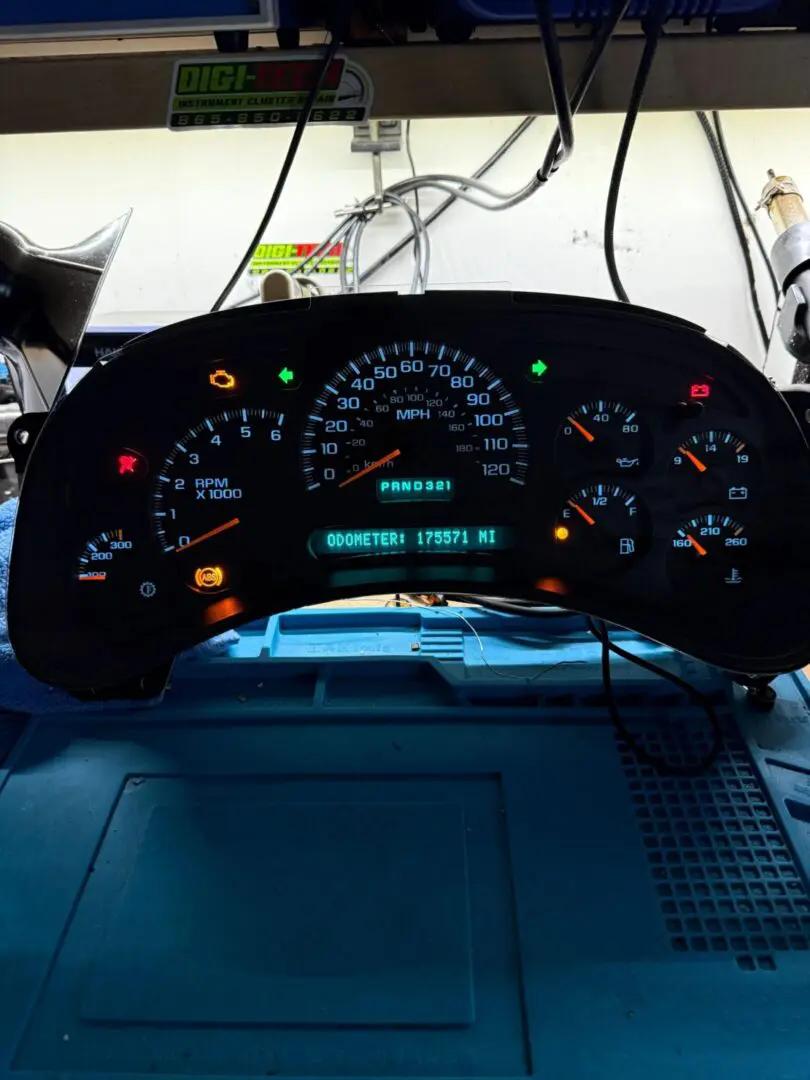

If your car’s battery keeps draining, the dashboard could be the culprit. Faulty gauges, dim lights, or wiring problems can pull power even when your truck or SUV is off.
Some common dashboard issues that cause battery drain include stuck gauge needles, malfunctioning lighting systems, or short circuits. You can often repair these issues without replacing the whole unit. This way, you save time and money.
If you want a reliable way to stop the drain, expert repairs from a trusted place like Digitech Auto Solutions can help you get it done fast. For details about their instrument cluster repairs and auto gauge lighting fixes, check out their services.
This guide shows you how to fix a battery drain from your dashboard. And to do it quickly, whether it’s a stuck warning light, dim backlight, or a deeper issue.
Understanding Dashboard Battery Drain
Dashboard battery drain happens when certain parts keep using power after you turn off your vehicle. This can cause your battery to die quickly or prevent your truck from starting. Knowing what causes this and how to spot it can save you time and money.
Common Causes Linked to the Dashboard
Several dashboard components can cause battery drain. A faulty instrument cluster is a main culprit. If your gauges or warning lights stay on or flicker, they might keep pulling power.
A bad TIPM (Totally Integrated Power Module) in Dodge or Chrysler vehicles can also cause battery drain by staying active when it shouldn’t.
Dashboard lighting problems like stuck LEDs or broken bulbs can keep circuits powered. Wiring issues or solder joint failures inside the cluster sometimes cause constant current flow.
How to Identify Dashboard-Related Battery Drain
Check if dashboard lights or gauges stay lit after you turn off the ignition. If they do, that’s a strong sign of dashboard drain. You can test your battery with a multimeter to see if current is flowing when everything should be off.
Use a scan tool to look for error codes. These can point to instrument cluster errors or TIPM faults. Sometimes, removing the dashboard fuse can stop the drain temporarily and show it’s cluster-related.
If you notice flickering gauges, dead cluster segments, or odd dashboard behavior, these issues often link directly to battery drain. A professional diagnosis can save you from replacing unnecessary parts.
Diagnosing the Problem
To fix a battery drain from your dashboard, you need to find what’s causing the power loss. This involves checking warning lights, measuring battery draw, and inspecting the electrical parts behind the dash.
Checking Dashboard Warning Lights
Look at your dashboard warnings when your car is off and on. If lights like the check engine or battery stay on after the engine stops, something is drawing power.
Flickering, dim, or stuck lights might point to faulty wiring or bad components. If the backlight or gauge lights stay on longer than normal, this can drain your battery.
Don’t ignore odd symbols or messages. These clues help you decide if a repair involves just the cluster or if it’s linked to other electrical systems.
Using a Multimeter to Find Parasitic Drain
A multimeter helps you measure parasitic battery drain. First turn off all electronics and close doors. Disconnect the negative battery cable and attach the multimeter in series between the cable and battery post.
Look for a current draw above 50 milliamps. Anything higher means something is using too much power while the car is off.
If you find high drain, pull fuses one by one and watch when the reading drops. This pinpoints the circuit causing the problem so you can focus on that system.
Inspecting Dashboard Electrical Connections
Check all wires and plugs behind your dashboard. Loose, corroded, or damaged connections often cause power drain and misread gauges.
Look for cracked insulation or burnt spots on wiring. Wiggle connectors gently to see if the dashboard lights or gauges flicker. This signals a bad connection.
If you find bad wiring, repair or replace it before it causes more damage. Proper connection ensures the dashboard only uses power when it needs to.
Quick Fixes for Dashboard Battery Drain
If your dashboard is draining your battery, simple steps can often solve the issue. Try resetting the system, updating the dashboard software, or disconnecting any aftermarket devices that might be drawing power when the car is off.
Resetting the Dashboard System
Reset your dashboard system to clear any glitches. Disconnect the car battery by removing the negative terminal cable.
Wait about 10 to 15 minutes before reconnecting it. This pause resets the dashboard’s electronics.
After reconnecting, turn on your ignition without starting the engine to check if the issue is gone.
If your dashboard has a reset button, press it according to your vehicle’s manual.
Resetting can clear a stuck module or sensor that might be causing extra power drain.
Updating Dashboard Software
Your car’s dashboard system runs on software that can become outdated. Check your vehicle manufacturer’s website or contact your dealer to see if there’s a software update for your instrument cluster.
Updated software can fix bugs that cause the dashboard to drain power when it shouldn’t.
The update process usually requires a dealer or an auto tech with the right tools.
In some GM models, you might be able to update using a USB or through a connected app.
Keep your dashboard software current to avoid hidden battery drains and ensure smooth function.
Disconnecting Aftermarket Devices
Aftermarket devices like phone chargers, alarm systems, or custom gauges may draw power even when the car is off.
Check all aftermarket devices connected to your dashboard or fuse box.
If possible, remove or disconnect these devices temporarily.
Unplug any new gadget you added before the battery drain started.
Some devices have “always on” power lines that need to be rewired to only draw current when the ignition is on.
If you find an aftermarket device causing the drain, consult a professional to fix or replace it safely.
Replacing Faulty Components
Fixing a battery drain often means swapping out parts that no longer work right. Knowing which pieces to change and how to handle them can save you time and keep your dashboard running smoothly.
Changing Damaged Fuses
Fuses protect your vehicle’s electrical system by breaking the circuit if there’s a problem. A blown or damaged fuse can cause battery drain by letting current flow when it shouldn’t.
Locate your fuse box—usually under the dashboard or hood. Use a fuse puller or needle-nose pliers to remove the suspect fuse. Check the metal wire inside; if it’s broken or burnt, replace it with a new fuse of the same amperage rating. Using the wrong amperage can cause more damage or fail to protect your system.
Check the owner’s manual or the fuse box diagram to identify the correct fuse. After replacement, test your dashboard to see if the battery drain stops. If the fuse blows again quickly, another issue may be causing the issue.
Swapping Out Relays or Switches
Relays and switches control power flow to various dashboard components. A faulty relay or switch can draw power even when your truck or SUV is off, leading to battery drain.
Identify the specific relay or switch linked to the problem area using your vehicle’s manual. Carefully pull out the old part from its socket. These parts usually just pull out, but sometimes a clip or screw may hold them in place.
Install the new relay or switch by plugging it in firmly. Make sure it matches the exact model your vehicle requires to avoid electrical issues. After replacement, check if the drain has stopped by monitoring your battery voltage overnight or using a multimeter.
If you’re unsure about the process or parts, contact a professional factory-trained technician who handles GM clusters and TIPM repairs. This keeps your dashboard safe and functioning well without wasted time or expense.
Preventing Future Battery Drain
Keeping your dashboard in good shape and installing extra electronics correctly can help stop your battery from draining. Small habits and proper wiring go a long way in making sure your battery lasts.
Routine Dashboard Maintenance Tips
Check your dashboard wiring regularly for loose or damaged connections. Frayed wires or poor contacts can cause a steady drain on your battery.
Make sure your gauges and lights turn off when the car is off. If your cluster stays powered, it can slowly drain the battery over days.
Clean the dashboard components to avoid dirt or moisture building up, which might cause shorts or electrical problems.
Use a multimeter to test for unexpected power loss. If you spot voltage when everything should be off, get your cluster checked.
Safe Installation of Additional Electronics
Always use a fuse or relay when adding aftermarket electronics like alarms, radios, or lighting kits. These protect your battery by preventing electrical overloads.
Avoid tapping into the dashboard wiring without proper connectors or soldering. Poor splices lead to shorts or constant power draw.
Disconnect any extra devices when not in use, especially if they have a standby mode. Even low power draw over days will drain your battery.
If unsure, have a professional install your electronics. Proper routing and grounding make a big difference in keeping your battery healthy.
When to Seek Professional Help
If you’ve tried simple fixes like turning off lights or unplugging accessories and your battery still drains, get a pro involved. Persistent drain often means deeper electrical problems that need expert diagnosis.
When your dashboard gauges act strange—like flickering, sticking, or going dead—a trained technician with factory GM knowledge can spot issues you might miss. DIY attempts on complex clusters risk causing more damage.
If your vehicle uses a TIPM (Totally Integrated Power Module), problems with it can cause battery drain. These modules require specialized tools and experience to repair.
Signs you should call a professional:
- Dashboard lights stay on after you turn off the car
- Battery dies quickly despite new batteries or cables
- Erratic gauge behavior that won’t reset
- Error codes related to the instrument cluster
A trusted service can offer same-day repair with video proof before you pay. Their 40+ years of experience with GM and Dodge clusters helps ensure quality repairs.
If you’re unsure, calling a pro early can save money and hassle. For GM trucks and SUV owners, this is often the fastest way to get your cluster fixed right.
Stop Battery Drain the Right Way
Dashboard-related battery drain can sneak up fast—through dim lights, stuck gauges, or faulty wiring. The good news? Most issues can be fixed without replacing the entire cluster. With the right tools and a few smart steps, you can get your dash—and your battery—back on track.
Still seeing battery drain after shutdown? Digitech Auto Solutions offers fast, expert dashboard repairs with video proof before you pay. Fill out the Service Order Form today and get your vehicle’s electrical system working like it should—without the guesswork.
Frequently Asked Questions
Dashboard battery drains typically come from electrical components staying active when they shouldn’t. Common causes include faulty wiring, dashboard lights, and devices like dash cams. Testing and identifying the exact part causing the drain is key to fixing it reliably.
What steps should I take to diagnose a parasitic drain on my car battery?
Fully charge your battery. Turn off all electronics and remove keys. Use a multimeter set to measure amps and connect it between the battery negative terminal and the negative cable. Check if current draw is above 50 milliamps, which usually signals a drain.
Can a dash cam cause my car battery to drain, and how can I prevent it?
Yes, dash cams often stay on even when your car is off. To prevent drain, install a hardwire kit with a low-voltage cutoff or connect it to a fuse that only works when ignition is on.
What are common signs that my dashboard might be causing battery drain?
You may notice lights staying on after you shut off the engine or your battery dying overnight. Faulty gauge clusters or dashboard wiring shorts can also cause slow drains that make starting your car tough.
How can I use a multimeter to check for a battery drain in my vehicle?
Set the multimeter to measure current (amps). Disconnect the negative battery cable and connect the multimeter leads between the cable and battery post. Look for a reading above 50 milliamps. If so, pull fuses one by one to find which circuit is draining power.
Why does my vehicle’s battery drain when the car is turned off, and how can I fix it?
Some parts like clocks or security systems use power, but excessive current means a problem. Fix it by checking fuses, inspecting dash cluster wiring, or replacing faulty modules like the TIPM in Chrysler vehicles.
What are the most frequent culprits of car battery drain in various vehicle brands like Toyota, Nissan, Chevy, and Ford?
In Toyota and Nissan vehicles, door control modules or interior lights often cause battery drain. Chevy trucks usually have concerns with faulty gauge clusters or bad dash wiring. In Ford vehicles, body control modules or stereo systems can pull current even when turned off.