
Sub-Total: $0.00
Gauge Cluster Repair Cost Explained: What to Expect and Save
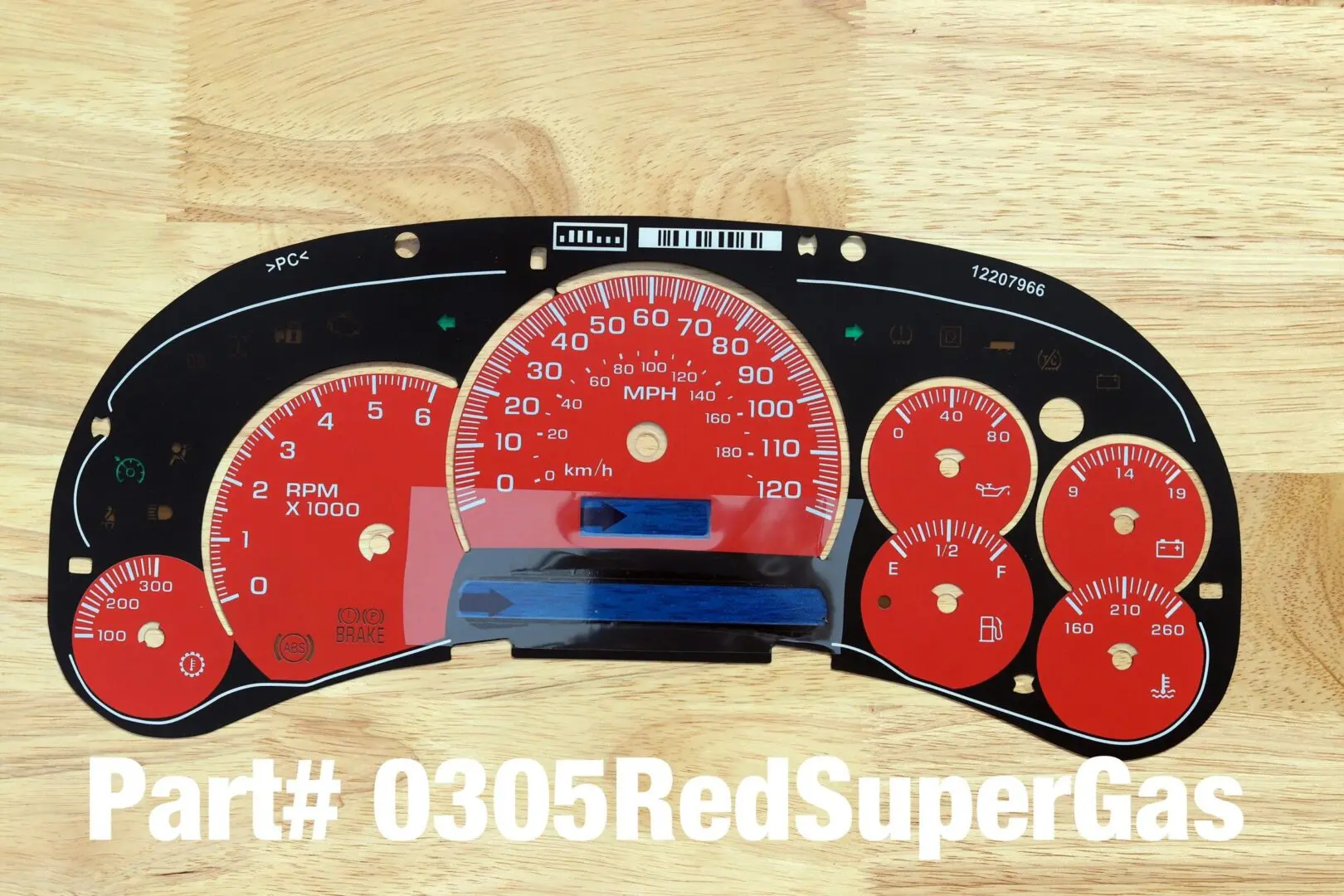

When your gauge cluster fails, it’s more than a dashboard issue—it’s a safety risk and a repair cost waiting to happen. You rely on that cluster for speed, fuel level, RPM, and engine alerts. If it’s off, your decisions behind the wheel are too.
Repair costs usually fall between $150 and $600, but prices vary based on damage, model, and part availability. Simple problems like flickering lights or stuck needles can be fixed fast, often without full replacement.
More complex repairs, like bad stepper motors or circuit board damage, raise the cost and time involved. Knowing what affects your repair bill helps you avoid overpaying or falling for unnecessary upgrades.
Digitech Auto Solutions repairs clusters with fast turnaround, expert diagnostics, and proof it works — before you pay. In this guide, we’ll explain what drives the cost and how to make smart choices that save you money.
What Affects Gauge Cluster Repair Cost
Several factors influence how much you’ll pay to fix your gauge cluster. These include your vehicle type, the kind of damage, and how easy it is to get replacement parts.
Vehicle Make and Model
Your car’s make and model play a big role in repair costs. Some vehicles, especially luxury or older models, have more complex clusters that require special tools or parts. For example, GM vehicles often have specific wiring and displays that need expert handling.
If you drive a common model, parts are easier to find, lowering your repair bill. Rare or discontinued models cost more because parts are harder to source. A trusted shop can save you time and money by using the right parts and fixing them the first time.
Type of Damage
The kind of damage your gauge cluster has directly affects what you’ll pay. Simple issues like burnt-out bulbs or faded lights cost less because they need minor repairs or replacements.
If the circuit board inside the cluster is damaged or if gauges are stuck or inaccurate, repairs get more complex. Fixing electronic faults or replacing delicate components takes more time and skill, which raises the price.
Cosmetic upgrades or custom LED installs increase costs due to extra work and parts.
Part Availability
Parts availability can change the price significantly. If the needed parts are common and made by original manufacturers, repairs are faster and cheaper. Choose a service that uses OEM parts to keep your cluster working like new.
If parts are rare, discontinued, or custom, you’ll pay more. Sometimes, technicians must repair the parts instead of swapping them out, which can affect both cost and repair time. Finding a reliable shop that knows your vehicle well helps avoid unnecessary expenses.
Signs Your Gauge Cluster Needs Repair
Your car’s gauge cluster shows important info like speed, fuel level, and engine temperature. When these readings act up, it can affect your driving safety and comfort.
Watch for issues like flickering displays, lighting problems, or inconsistent needle movement.
Flickering or Dead Gauges
If your speedometer, fuel gauge, or other meters suddenly flicker or stop working, your cluster needs attention. Loose wiring, failing circuit boards, or worn-out components inside the cluster often cause flickering.
Dead gauges that don’t move at all may point to blown fuses or electrical problems. Sometimes, a faulty sensor sends false signals to the cluster.
Ignoring flickering or dead gauges can lead to missed warnings about your vehicle’s health. Fixing this early keeps your dashboard reliable and safe.
Lighting Malfunctions
Your gauge cluster’s lighting helps you see all instruments clearly, especially at night. When lights flicker, don’t turn on, or dim, it may be due to burnt-out bulbs, faulty LEDs, or a damaged power supply.
Lighting issues can drain the battery if unfixed, potentially causing a dead car battery over time. If your gauge lights fail, you might miss critical information like low fuel or overheating warnings. This is a good time to consider professional service that uses OEM parts and advanced tools for a lasting fix.
Erratic Needle Movement
When needles jump around or move in unusual ways, it can be confusing and unsafe. Worn gears, bad stepper motors, or a faulty circuit board often cause erratic needle movement.
You might notice your tachometer jumping or your fuel gauge swinging wildly. This inaccurate feedback can lead to poor driving decisions.
A skilled technician in cluster repair can diagnose issues and replace or recalibrate parts to ensure accurate needle response.
Average Gauge Cluster Repair Cost
Repairing or replacing your gauge cluster can vary in price depending on several factors. You will want to weigh professional service costs against DIY expenses. Then you can decide if a full replacement is worth it compared to repairing.
Professional Repair Pricing
When you bring your cluster to a professional, prices usually range between $150 and $450. The cost depends on the type of repair needed. Simple gauge recalibration is less expensive than fixing complex wiring or LED upgrades.
You get fast turnaround, often same-day or within 24 hours. Equipment, experience, and quality of parts factor into the price, and you pay only when you see proof that your cluster works again.
Some repairs involve replacing bulbs or fixing dim lighting, which can be cheaper, while fixing stuck or erratic gauges costs more. If you own a GM vehicle, professionals trained in those systems can offer better results.
DIY Repair Expenses
If you want to try fixing your gauge cluster on your own, you’ll save labor costs but still face some expenses. You might spend $50 to $150 on parts like replacement bulbs, fuses, or basic tools.
For basic repairs such as bulb swaps or cleaning connectors, the cost stays low. But if you need specialized equipment or chips, those parts can add up. You also risk damaging delicate circuits or voiding warranties if you’re not careful.
Your skill level matters. If you already have the tools and experience, DIY can be budget-friendly. For most people, though, professional repairs reduce guesswork and ensure long-term reliability.
Do Digital Clusters Cost More to Repair?
Yes — digital clusters often cost more due to complex screens, circuits, and calibration steps. These systems need advanced tools and sometimes software updates to restore proper readings. Parts like LCDs or microchips are pricier than analog bulbs or motors.
Repairs may also take longer due to diagnostics and firmware syncing. Expect to pay $50 to $150 more for digital repairs compared to simple analog clusters. The benefit is sharper displays and a longer lifespan once fixed correctly.
Replacement Versus Repair
Replacing your entire gauge cluster is usually the most expensive option, often costing $400 to $1,200 or more, depending on vehicle make and features. New clusters come from the dealer or aftermarket sources and might require programming.
Repairing your cluster is often cheaper and keeps your vehicle’s original mileage and electronics intact. Replacement may be necessary if damage is severe or parts aren’t available.
Consider these points:
- Repair keeps the original parts and the odometer reading
- Replacement can be costly, but is needed for non-repairable damage
- Shipping or programming fees add to replacement totals
How to Save Money on Gauge Cluster Repair
You can cut costs on gauge cluster repair by making smart choices about where to get your cluster fixed and how you manage parts.
Choosing the Right Repair Shop
Picking the right repair shop is key to saving money. Look for shops with good experience, preferably with technicians trained on your vehicle type. For GM vehicles, shops with factory GM training can spot issues accurately and avoid unnecessary fixes.
Check reviews and ratings before choosing. Reputable shops offer quick turnaround and show a video of your repaired instrument cluster before payment.
Also, ask if the repair shop uses OEM parts or offers warranties. Some cheaper shops might cut corners, leading to more repairs later. A reliable shop often saves you money in the long run.
Ordering Parts Yourself
Buying parts yourself can reduce repair costs, but it takes some effort. Research exactly what parts you need, like bulbs or circuit boards, to avoid ordering the wrong items. Use trusted sources to buy OEM or quality aftermarket parts.
If you’re confident in your skills, you might replace simple parts like bulbs or connectors before sending your cluster in for complex repairs. This can cut labor costs because the technician can focus on harder issues.
Some repair shops might charge less if you supply parts. Ask your technician if they allow this and what parts to get. Proper parts and clear communication can make your repair faster and cheaper.
Factors to Consider Before Repairing
Before deciding to repair your gauge cluster, keep a few key things in mind. These include how the repair might affect your vehicle’s warranty and whether it’s better to repair the cluster or replace it entirely.
Warranty Implications
When you repair your instrument cluster, check how that repair might affect your vehicle’s warranty. Some repairs might void parts of your warranty, especially if done by uncertified technicians or with non-OEM parts.
If your vehicle is still under warranty, make sure any repair work complies with its terms. Repairs by trusted services use OEM equipment and skilled professionals, helping avoid warranty problems.
Always ask for clear information about warranty coverage before proceeding.
Repair Versus Replacement Decision
Choosing between repairing your cluster and replacing it depends on a few things. Consider the cost of repair versus replacement first. Sometimes repairs, especially for complex issues like faulty motors or lighting problems, are much cheaper than a full replacement.
Next, think about the condition of your current cluster. If it has many problems or is very old, replacing it might be smarter. Repairing can restore your current cluster, preserving your vehicle’s original look and saving money.
You should also think about turnaround time. Repairs at a reliable shop can often be done in 24 hours or less.
Here’s a simple list:
- Repair: Lower cost, keeps original cluster, fast turnaround
- Replace: Higher cost, new parts, may include upgrades
Know the Cost, Fix It Right
Gauge cluster problems don’t have to break the bank—many repairs cost less than full replacements. Understanding what affects price helps you budget smarter and avoid wasting time on misdiagnosed issues.
Quick repairs prevent bigger problems and help you drive with accurate, reliable data on your dash. Even advanced clusters can be repaired affordably with the right tools and honest advice.
Digitech Auto Solutions gives you clear pricing and expert repairs, with no payment until it works. Fix your cluster the right way, without guesswork or delays.
Frequently Asked Questions
Repair costs depend on how severe the damage is and the make of your vehicle. You can expect different price ranges for repairs, replacements, and the time required to get everything working again.
How much will I typically spend on repairing my vehicle’s gauge cluster?
Most gauge cluster repairs cost between $150 and $400. Simple fixes like replacing bulbs or cleaning contacts are cheaper, while fixing circuit boards or stuck gauges costs more.
Can you give me a rough estimate for Chevy gauge cluster repairs?
For Chevy vehicles, repairs usually range from $180 to $350. Digitech Auto Solutions often handles these, using OEM parts to ensure accuracy and reliability.
Are Ford gauge cluster repairs more expensive compared to other brands?
Ford repairs can sometimes be pricier due to the complexity of their clusters. Prices often start around $250 and can go higher, depending on the issue.
What’s the expected cost range for replacing an entire instrument cluster?
Replacing the whole cluster can cost between $400 and $800 or more. This includes parts and labor, especially for newer models with digital displays.
Is it possible to operate my car safely if my gauge cluster isn’t working?
You can drive short distances if you’re careful, but it’s not safe long term. Gauges give you important info like speed and engine warnings, so repairs should be done quickly.
How much time does a professional take to fully replace a gauge cluster?
Most pros complete repairs or replacements within a few hours. At Digitech Auto Solutions, technicians often fix or upgrade clusters within the same day.