
Sub-Total: $0.00
What Causes a Gauge to Stop Working and How You Can Fix It Easily
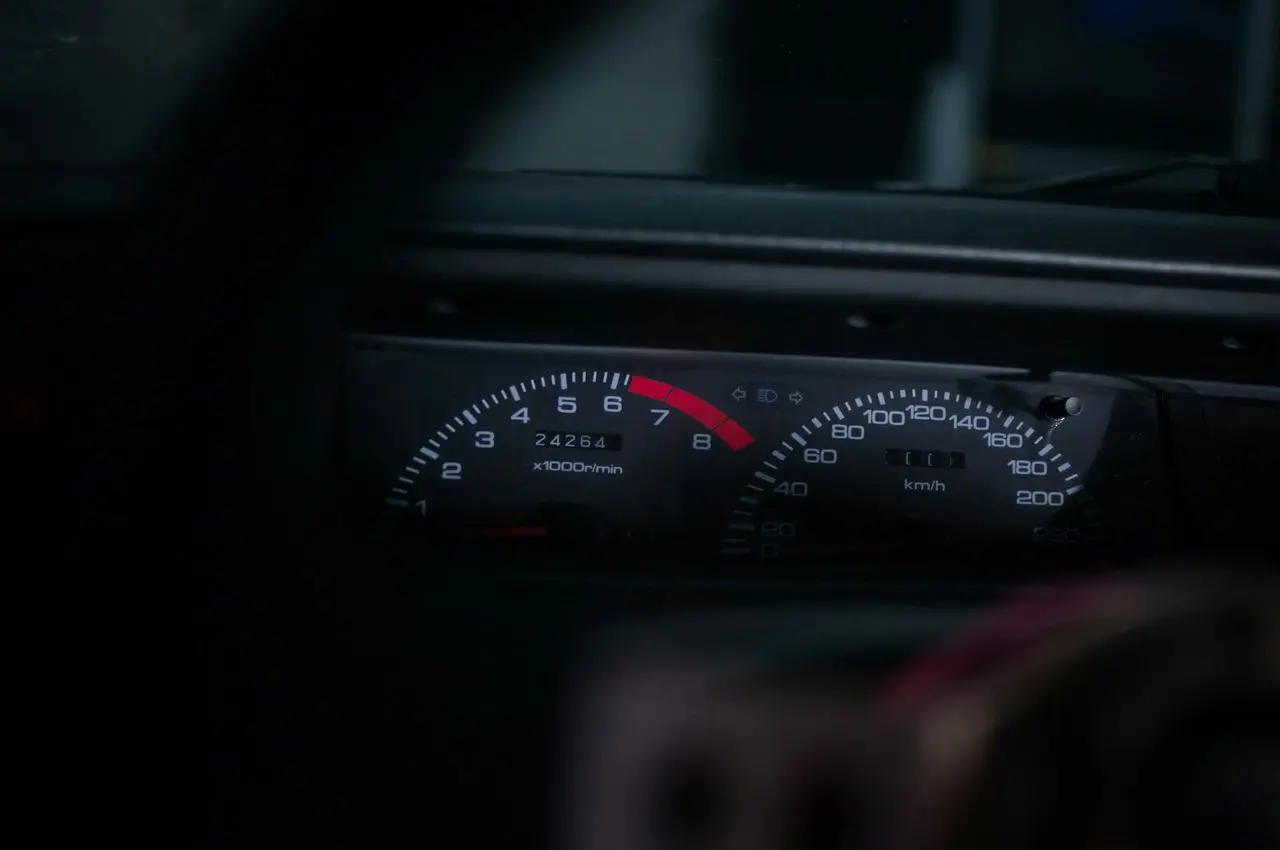
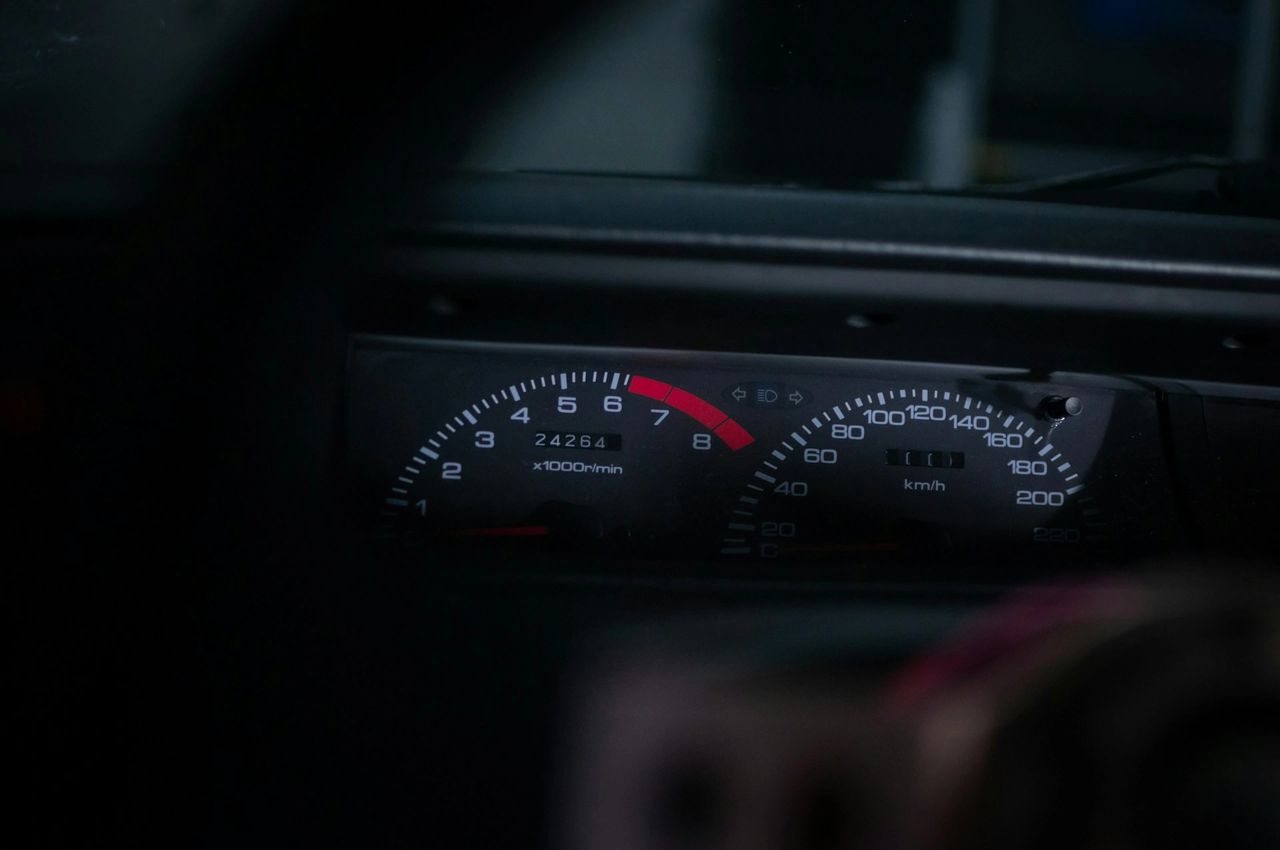
Gauges can stop working for a bunch of reasons, but most often it’s due to electrical issues, a faulty sensor, or worn parts inside the cluster. When wiring gets damaged or a sensor fails, your gauge can’t send the right info, so the readings won’t be accurate. Sometimes, it’s just a dim or broken backlight that makes the gauge look like it’s dead.
If you’ve noticed your gauge pointer sticking, vibrating, or not moving at all, there’s likely something inside your instrument cluster that needs fixing. Battery drain or a short circuit can also cause gauges to go dark or act strange. While some issues are easy fixes, most require professional repair—especially if you drive a GM truck or SUV.
At Digitech Auto Solutions, our factory-trained technicians have over 40 years of experience fixing GM instrument clusters quickly and reliably. Start your repair today by filling out our Service Order Form and shipping your cluster in. Don’t pay until you see it working!
Common Causes of Gauge Failure
Gauge problems usually come from a few key issues you can check yourself or with some help. The most common causes include wiring troubles, blown fuses, and faulty sensors.
Electrical Issues and Wiring Problems
Your gauge needs clean, solid electrical connections to work correctly. Loose, frayed, or corroded wires can stop signals from reaching the gauge, causing the needle to freeze or show wrong readings.
Check for broken wires or damaged connectors behind the cluster or near the battery. Poor grounding can also disrupt electricity flow and lead to gauge failure. Vibration from rough roads can wear down wires over time.
Fix wiring problems carefully. If you find an issue, repair or replace the wires properly. Avoid temporary fixes like twisting wires together, as they can fail again quickly.
Blown Fuses and Power Disruption
Fuses protect your gauges by cutting power if there’s a short or overload. A blown fuse stops power completely, so your gauge won’t work.
Check your vehicle’s fuse box for blown fuses related to the instrument cluster. You can spot a blown fuse by a broken metal strip inside it. Replacing a blown fuse is simple, but if it blows again, there’s a deeper electrical fault.
Power disruption can also come from problems with the ignition switch or battery connections. Keep your battery terminals clean and tight to avoid intermittent gauge failures.
Sensor Malfunctions
Your gauges get data from sensors around the engine and transmission. If a sensor fails or sends bad information, your gauge might show wrong numbers or stop working.
Common sensors include the speed sensor, fuel level sensor, and oil pressure sensor. Dirt, moisture, or wear can break these sensors. Sometimes, the connection between the sensor and cluster gets damaged.
Replacing a bad sensor or cleaning its connector often fixes gauge problems related to this cause. If you’re unsure which sensor is bad, a diagnostic scan can help identify the issue.
Mechanical Factors Affecting Gauges
Gauges can stop working because of physical issues inside or outside the device. Problems include damage from accidents or long-term use that wears parts down.
Physical Damage to the Gauge
Physical damage happens when something hits or jars your gauge. Drops, car accidents, or bumps while driving can bend, break, or loosen parts like the needle or gear mechanism. Damage can cause the needle to stick, jump, or stop moving.
Dust, dirt, or moisture entering the gauge can harm delicate components. If your gauge lens cracks, debris can jam the moving parts. Fixing physical damage usually means opening the cluster to replace or realign broken pieces.
Wear and Tear Over Time
Gauges have moving parts that wear out with regular use. Springs, gears, and bearings inside the gauge can become weak or stretched. This slows down or stops the needle from moving smoothly or accurately.
A worn gauge might show incorrect readings or become unresponsive. This wear builds up over years, especially in older vehicles or those with high mileage. Regular checks and professional repairs can restore your gauge’s performance without replacing it entirely.
Environmental and External Influences
Your gauge can stop working because of outside factors that affect its parts. Water damage and extreme heat can break down the gauge’s components.
Moisture and Corrosion
Moisture can get inside your gauge cluster through cracks or worn seals. When water mixes with metal parts, it causes corrosion that eats away at delicate connections.
Corrosion can make the gauge needles stick or cause the display to flicker. Over time, rust can break wires or sensors, leading to total failure.
If your vehicle has been exposed to rain, high humidity, or washing without protection, check the cluster for signs of moisture damage. Cleaning and drying the cluster early can prevent costly repairs.
Temperature Fluctuations
Temperature changes cause the metal and plastic parts inside your gauge to expand and contract. This movement can loosen connections or crack circuit boards.
Extreme cold thickens internal lubricants, making needles slow or stick. High heat can melt solder joints or damage electrical components.
If your vehicle spends time in very hot or cold climates, your gauges are more likely to fail. Using heat shields or parking in covered areas can help prevent damage.
Human Error and Installation Mistakes
Many gauge problems come from how the gauge is installed or set up. Small mistakes during these steps can cause the gauge to stop working or give wrong readings.
Improper Installation
If you don’t mount or connect the gauge correctly, it can fail quickly. Loose wiring or wrong connections cause power issues or signal loss. Using the wrong tools or forcing parts can damage delicate components inside the cluster.
Always follow the instructions for your vehicle’s model. Incorrect placement can also expose the gauge to moisture or vibration, which wears it down over time.
A checklist to avoid improper installation:
- Double-check wiring colors and connectors
- Use only recommended mounting brackets
- Avoid over-tightening screws or clips
- Keep the cluster dry and away from direct heat
Ignoring these steps can cause the gauge to act up or stop working.
Incorrect Calibration
Calibration sets the gauge to show the right readings. If you calibrate it incorrectly, the gauge might show wrong numbers, wiggle randomly, or freeze.
Calibration needs special tools or software for each vehicle. Using the wrong settings or skipping this step causes the gauge to fail. For example, a speedometer might show zero even though you are driving.
Incorrect calibration often happens when DIYers guess the settings or use generic tools. Always use vehicle-specific calibration tools or have a pro do it. This keeps your gauges accurate.
Vehicle-Specific and Application-Related Causes
Some gauges stop working because of design quirks or changes made to the vehicle. These issues depend on the exact model or how parts have been modified.
Model-Specific Design Flaws
Certain vehicle models have factory design flaws that hurt gauge operation. For example, some GM trucks like the Silverado and Sierra have poor ground connections inside the cluster, causing erratic or dead gauges.
Wiring harnesses in models like the Dodge Ram can rub against metal parts, leading to shorts or breaks. Older designs with weak solder joints on circuit boards make clusters prone to failure.
If your vehicle has a known cluster issue, the gauges might stop working even if you did nothing wrong. These flaws often need professional cluster repair to fix, not just replacing fuses or bulbs.
Aftermarket Modification Issues
Modifications like LED upgrades or custom gauge faces can cause problems if done incorrectly. Poor wiring or using non-compatible parts can lead to power issues or erratic readings.
If you’ve added new lighting or swapped cluster modules, the original circuits can get overloaded or shorted. Aftermarket parts sometimes don’t match factory specs, causing sensors to send wrong signals.
Always check for proper fit and wiring if you upgrade your cluster. If gauges stopped working after a modification, reverse the changes to help identify the cause before you repair or replace anything.
Diagnosing and Troubleshooting a Stopped Gauge
If your gauge stops working, start by checking the simple things first. Look at the fuse box for any blown fuses. A bad fuse can cut power to your gauge.
Next, check the wiring and connections behind the instrument cluster. Loose or corroded wires often cause gauges to fail. Make sure all plugs are seated firmly.
Test the gauge with a multimeter to see if it’s getting power. If there’s no power, the problem is before the gauge. If power is there but the gauge doesn’t move, the gauge itself may be faulty.
Look for signs of damage or wear. Stuck needles, flickering displays, or sudden stops can come from dirty contacts or old circuits inside the cluster.
Here’s a simple checklist to help:
Step
What to do
Check fuses
Replace any blown fuse
Inspect wiring
Tighten or clean connections
Test power
Use a multimeter
Look for damage
Check for broken or stuck parts
If these steps don’t fix it, the problem might be deeper, like a bad sensor or a failing circuit board. In that case, professional repair is your best bet.
At Digitech Auto Solutions, we provide video proof before you pay so you know your gauges are fixed right.
Long-Term Solutions and Preventive Maintenance
To keep your gauge working well over time, regular care is important. Clean the connectors and wiring to avoid dirt buildup, which can cause poor electrical contact.
Check for signs of corrosion or damage in the cluster. If you spot anything suspicious, get it repaired right away to prevent bigger problems.
Use quality parts for repairs and upgrades. OEM or factory-trained replacements help ensure your gauge works properly for years.
Preventive steps include:
- Avoid harsh chemicals near the dash
- Keep your vehicle’s electrical system healthy
- Schedule routine cluster inspections
Upgrading to LED lighting or better gauge faces can improve visibility and reduce power issues.
If you notice sticky needles, flickering, or dead zones, act fast. Expert cluster repair can save you money and keep your dash reliable.
When your gauges aren’t working right, it can be frustrating and even unsafe. Luckily, at Digitech Auto Solutions, we specialize in fast, honest repairs for GM instrument clusters—backed by over 40 years of factory-trained experience. Most repairs are done the same day, and you don’t pay until you see your cluster working perfectly.
Don’t let faulty gauges keep you off the road. Contact Digitech Auto Solutions today to get your instrument cluster fixed right the first time.
Ready to get started? Fill out our Service Order Form and ship your cluster in. If you have questions, call Charles directly at (865) 850-0622 — real help from a real tech.
Frequently Asked Questions
Many issues with gauges come from electrical problems, sensor failures, or faulty clusters. Sometimes, gauges stop working because of wiring or power supply troubles.
What might cause all the gauges on my dashboard to suddenly stop working while driving?
A blown fuse or a bad ignition switch can cut power to all the gauges. Loose or corroded wiring connections also cause sudden failure. Sometimes, a failing instrument cluster or a battery problem can shut everything down.
How can I troubleshoot a fuel gauge that’s no longer showing the correct level?
Start by checking the fuel sending unit in the tank. A damaged or stuck sending unit often causes bad readings. Inspect fuses and wiring for damage too. If these check out, the gauge or cluster might need repair.
What are common symptoms of an instrument cluster failure?
Gauges might jump erratically, stick at one value, or go completely dark. You may also notice warning lights behaving oddly or the cluster display flashing. These signs often point to a failing circuit board or bad electrical connections inside the cluster.
My fuel gauge reads empty after a full tank fill-up, what could be wrong?
A stuck or broken fuel sending unit could cause this problem. Damaged or corroded wiring from the tank might also be the issue. Sometimes the gauge or the cluster’s fuel circuit fails.
How do I determine the amount of gas left if my fuel gauge is broken?
Track miles driven since your last fill-up using your trip odometer. Check your vehicle’s average miles per gallon to estimate. Refuel more often until you fix the gauge.
Why would a pressure gauge give inaccurate readings or fail completely?
Dirt, corrosion, or electrical problems can cause pressure sensors to fail. Faulty wiring or a bad ground connection can also lead to inaccurate or missing readings. Sometimes the gauge is damaged and needs repair or replacement.