
Sub-Total: $0.00
Common GM Instrument Cluster Problems and How to Fix Them

If you own a GM vehicle, you might notice your instrument cluster acting up—gauges that stick, lights that flicker, or speedometers that don’t work right.
These are some of the most common GM instrument cluster problems. They often point to electrical issues, faulty connections, or worn-out parts inside your dash.
Knowing what causes these cluster issues can save you time and money. You don’t always have to replace the whole cluster. Many issues can be fixed quickly by skilled technicians with the right tools and experience.
In this guide, you’ll learn to fix GM cluster problems. Also spot the warning signs early, and understand when it’s time to call trusted experts like Digitech Auto Solutions.
Understanding GM Instrument Clusters
Your GM instrument cluster shows important information like speed, fuel level, and engine warnings. It has several parts that work together to keep you informed while driving. Knowing these parts and how they work can help you spot problems early or decide when to get repairs.
What Is an Instrument Cluster?
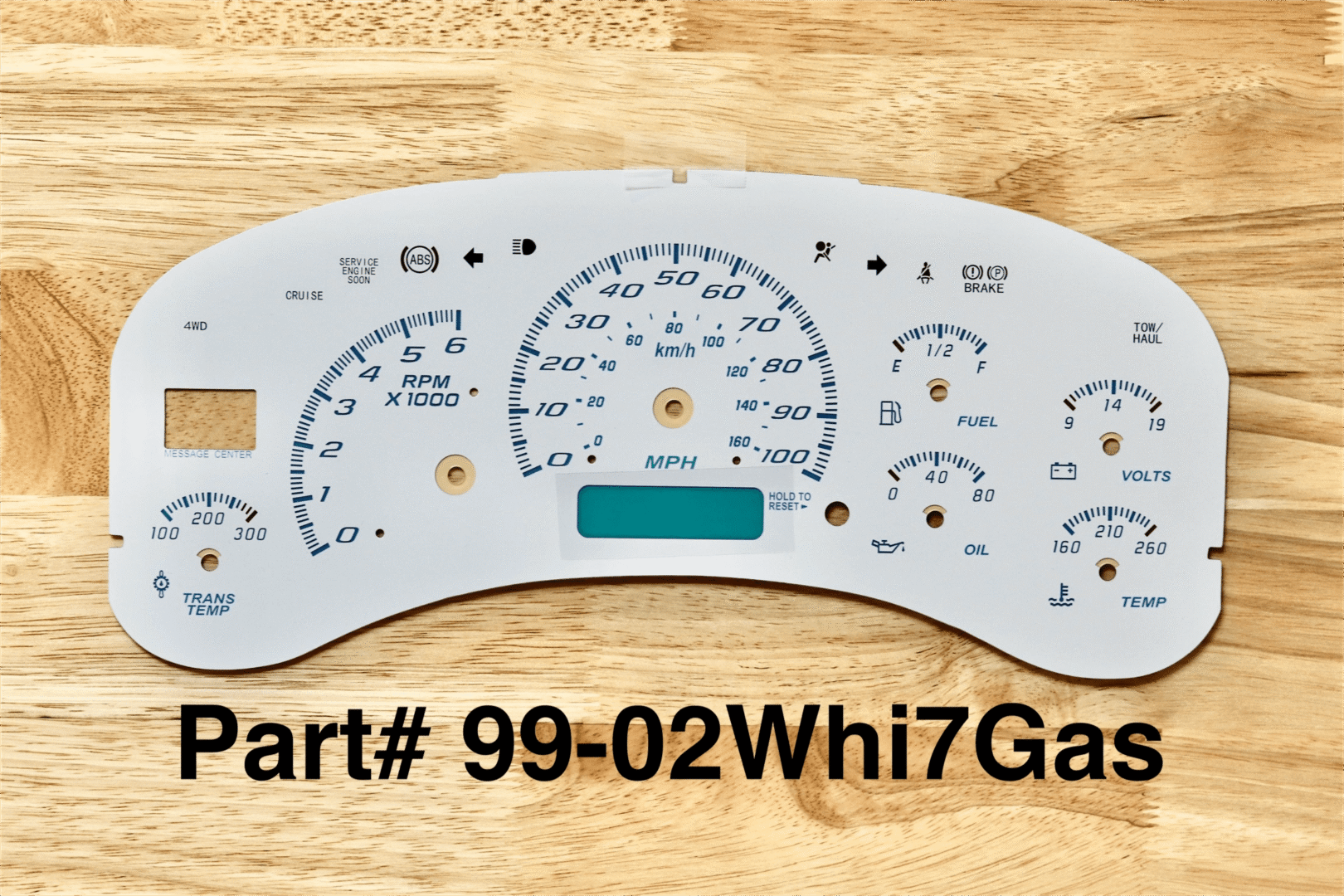
An instrument cluster is the panel on your dashboard with all the gauges and warning lights. It includes your speedometer, tachometer, fuel gauge, and other indicators that tell you how your vehicle is running.
This cluster helps you monitor your truck or SUV’s condition without guessing. For example, it alerts you if the engine is overheating or if you’re low on oil. If the cluster stops working or gives wrong readings, your safety, and vehicle performance can be at risk.
Common Components in GM Instrument Clusters
GM clusters usually have these key parts:
- Speedometer: Shows how fast you’re going.
- Tachometer: Displays engine RPM.
- Fuel gauge: Tells you how much gas is left.
- Temperature gauge: Monitors engine heat.
- Warning lights: Check engine, battery, oil pressure, etc.
- LCD screens: Some clusters have digital displays for extra info.
Each component uses sensors and wiring to send signals to the cluster. Older models use mechanical or analog gauges, while newer ones often have digital or hybrid systems for more precise data.
How Instrument Clusters Work in GM Vehicles
Instrument clusters get real-time data from sensors placed throughout your vehicle. These sensors send electrical signals to a computer module inside the cluster. The module then moves the needles or updates the digital readouts to show the current status.
If any signals fail or weaken, the instrument cluster may act strange—like stuck needles or flickering lights. Electrical issues, bad connections, or faulty sensors typically cause these problems. To diagnose cluster problems, check both the cluster and the systems it monitors.
Signs of GM Instrument Cluster Problems
If your GM instrument cluster is acting up, you might notice problems with the gauges, the display lighting, or the warning lights. These signs usually point to electrical faults or worn-out components inside the cluster.
Erratic or Non-Functional Gauges
You may see gauges that jump around or stop working entirely. For example, the speedometer might suddenly read zero even while you’re driving. Or the fuel gauge may get stuck, showing full or empty no matter what.
This erratic behavior happens when the stepper motors or circuit board inside the cluster start failing. It can lead to confusion while driving since you won’t know your actual speed, fuel level, or engine temperature.
If your gauges move strangely or don’t move at all, have a trained technician inspect the cluster. A simple fix often involves replacing faulty motors or cleaning corroded contacts inside the unit.
Backlight or Display Failures
If your cluster lights up dimly, flickers, or goes completely dark, you likely have a problem with the backlight or display system. The bulbs or LEDs inside the cluster wear out over time or their wiring can break.
A dim or dark cluster makes it hard to see your gauges at night or in bad weather. Sometimes the display shows garbled or missing information, which signals a failing circuit board or poor electrical connection.
Most GM clusters can be restored with backlight bulb replacements or LED upgrades. Regular brightness issues often mean the cluster needs professional repair to avoid further damage.
Warning Lights Stuck On or Off
Warning lights on the dash are supposed to alert you to trouble, but when they get stuck, it’s confusing and potentially dangerous. A light stuck on may signal a false issue or faulty sensor input. A light that never comes on could hide real problems.
Common stuck lights include the check engine light, ABS lamp, or airbag warning. The cluster’s internal chips or wiring typically cause these malfunctions.
If your warning lights don’t behave right, a quality repair service can diagnose and fix circuit problems. This stops false alerts and ensures the dash correctly warns you of real vehicle faults.
Most Common GM Instrument Cluster Issues
When your GM instrument cluster starts acting up, the problems usually come from a few key areas. These include gauges that don’t move right, incorrect readings, or numbers that just don’t add up. Understanding these issues helps you spot trouble early and decide if repair or upgrade is the next step.
Speedometer Malfunctions
If your speedometer works erratically or stops moving, it can make driving unsafe or illegal. A faulty stepper motor inside the cluster or wiring problems that cut power to the gauge often cause these issues. Sometimes, the printed circuit board (PCB) in older GM trucks like Silverado or Sierra develops cracked solder joints.
You might notice the needle jumping, freezing at zero, or not matching your actual speed. These symptoms frequently get worse over time or after heat builds up inside the dashboard. Repair involves testing electrical connections and replacing worn motors or fixing soldering issues.
Fuel Gauge Inaccuracies
Your fuel gauge can give wrong readings because of a bad sending unit in the fuel tank or cluster issues. If your gauge sticks full, reads empty, or jumps around, it’s likely the cluster’s circuit is to blame or the float in the tank isn’t moving freely. Loose or corroded wires between the tank and cluster can also cause false readings.
This problem is common in GM SUVs and trucks that keep running on less fuel than the gauge shows. Diagnosing requires checking the sending unit and cluster separately. Many owners save money by sending just the cluster to specialists for precise repairs or upgrades.
Tachometer and Odometer Problems
The tachometer and odometer often develop issues together because both rely on signals from the vehicle’s onboard computer or sensor. If your tachometer stops working or flickers, weak electrical signals or a failing cluster component might be the cause.
Odometer problems may show as numbers that freeze, reset, or count incorrectly, which is critical for tracking mileage and resale value. Damaged stepper motors, bad wiring, or issues with the printed circuit board typically cause these problems.
Fixing these requires factory-level tools and experience to avoid affecting your vehicle’s warranty or legal mileage records.
Electrical and Wiring Problems
Electrical issues frequently cause your GM instrument cluster to act up. Problems like loose connections or faulty motors can make gauges jump, stop working, or show wrong readings. Knowing what to check helps save time and money.
Loose or Damaged Circuit Connections
Loose or damaged wiring inside your cluster can lead to flickering lights, dead gauges, or a completely blank display. Over time, connectors may corrode or wires can break due to vibration or heat.
If you notice random gauge failures or your cluster cuts out when driving, first check harness connections behind the dash. A loose plug or bent pin can cause intermittent problems that look serious but are quick fixes.
Damaged circuits can also create shorts that may blow fuses or drain your battery. Test continuity and clean connectors with contact cleaner to find issues. Have a technician with the right tools verify your cluster’s wiring before replacing parts.
Faulty Stepper Motors
Stepper motors control the needle movement for speed, fuel, and coolant gauges. When a motor fails, the needle often sticks, jumps, or moves erratically.
You might see the needle stuck on zero while driving, or wildly bouncing when you hit bumps. Worn motor gears or electrical faults inside the cluster board usually cause this.
Replacing stepper motors can fix these problems without changing the whole cluster. Professional repair shops can pinpoint faulty motors and swap them out quickly. This keeps your cluster reading accurate and your dash functioning properly.
Software and Calibration Errors
Software and calibration problems can cause your GM instrument cluster to behave oddly. These issues often affect how gauges respond or display information. Knowing what to look for can save time and prevent unnecessary part replacements.
Firmware Glitches in Digital Clusters
Digital clusters depend on firmware to operate smoothly, but glitches can happen. You might see flickering screens, frozen gauges, or wrong readings. Corrupted updates or software bugs frequently cause these problems.
Resetting the cluster by disconnecting the battery can sometimes fix minor glitches. However, recurring issues frequently need a firmware reflash or update done by a professional. This process reloads the cluster’s software to factory settings, clearing errors.
If your cluster flashes error codes or acts unpredictably, the firmware requires attention. These symptoms can impact your vehicle’s safety features and accurate reporting.
Calibration and Reset Issues
Sometimes, your gauges might show incorrect levels for fuel, speed, or engine temperature. This typically means the cluster requires calibration or a reset. Calibration ensures the gauges match the real sensor data from your vehicle.
DIY resets by disconnecting the battery sometimes don’t fully clear calibration errors. If your cluster faces persistent wrong readings or erratic needle movements, professional recalibration is required.
A trained technician uses specialized tools to reset and calibrate the gauges precisely. This fixes values that are out of sync and restores proper cluster function without parts replacement.
If your cluster was recently repaired or replaced, always check if calibration was done. An uncalibrated cluster will not display accurate information.
Diagnosing GM Instrument Cluster Issues
Knowing what to check and when you need help makes it easier to deal with cluster problems. Some steps you can take at home might save you time. Other times, expert repair is the better choice to avoid more damage.
Troubleshooting Steps for Homeowners
Start by checking the fuses for your instrument cluster. A blown fuse often causes gauges or lights to stop working. You can find fuse locations in your owner’s manual or on the fuse box cover.
Next, inspect the wiring harness behind the cluster for loose connections or damage. Sometimes, vibration or wear causes wiring issues.
If your gauges move erratically or don’t work at all, reset your vehicle’s battery by disconnecting the negative terminal for about 10 minutes. This can sometimes reboot the cluster electronics.
Lastly, look for dim or flickering lights. Replacing bulbs or upgrading to LED can fix lighting issues and improve visibility.
When to Seek Professional Help
If your cluster still shows problems after basic checks, call a pro. Complex problems like bad stepper motors, circuit board failures, or power supply faults require specialized tools to diagnose and fix.
You should also seek expert help if gauges stick or jump erratically while driving. These symptoms often mean internal damage not visible to the naked eye.
Professional repair shops provide video proof of the fix before you pay. They offer same-day service and have extensive experience with GM instrument clusters.
Trying complex repairs without the right skills could cause more harm or safety risks. Get expert assistance when needed.
Repair and Replacement Options
You have a few good choices to fix your GM instrument cluster. Some parts can be repaired, but sometimes a full replacement is better. Costs and time vary depending on what’s wrong and how you want to handle it.
Repairing Stepper Motors and Circuits
Stepper motors typically cause issues like stuck or broken gauges. These tiny motors control needle movement, and when they fail, the dials won’t show the right numbers.
Repair usually means opening the cluster and replacing faulty stepper motors or fixing burned circuits. Professionals can test each part to see what’s broken. This saves money compared to a full replacement and keeps your original cluster intact.
Repairs require skill and special tools to avoid damaging delicate parts. If you’re a DIYer, be cautious. Sending your cluster to a trusted shop with factory-trained technicians ensures proper repair.
Cluster Replacement Procedures
If your cluster is beyond repair, replacing it might be the way to go. You can swap your old unit with a rebuilt or new cluster designed for your specific GM model.
Replacement involves disconnecting the battery, removing the dash panel, unplugging connectors, then installing the new cluster. Resetting the odometer and programming keys or modules may be necessary for proper function.
Professional shops offer mail-in replacement services with quick turnaround. This option costs more than repair but guarantees a fully working cluster, often with a warranty.
Cost Considerations for GM Cluster Repairs
Costs depend on damage severity, parts needed, and labor. Minor repairs like stepper motor fixes usually run between $100 to $250. Circuit repairs may cost a bit more if components must be replaced.
Cluster replacements, especially new or rebuilt units, can range from $300 to $800 or higher. Dealer replacements are typically the most expensive option.
Some shops provide video proof of repairs before charging you, so you only pay if the cluster works right.
Preventing Future Instrument Cluster Problems
To keep your GM instrument cluster working well, follow regular care steps and use habits that protect your gauges. Small actions can stop many common issues before they start.
Regular Maintenance Tips
Check your cluster lights and gauges regularly for flickering, dim spots, or sudden changes. These can be early signs of wiring or bulb problems. Replace burnt-out bulbs promptly to prevent strain on the cluster’s electronics.
Keep your battery and electrical system in good shape. Low voltage or bad grounding can cause cluster failures. Test your battery and alternator during routine service. Avoid letting your dashboard get wet; moisture can cause corrosion inside the cluster.
Use the correct fuses and avoid aftermarket electrical mods that might overload circuits. When washing your vehicle, close windows and vents to keep water from reaching wires behind the dash.
Best Practices for GM Vehicle Owners
Always turn off your vehicle fully before unplugging or working on the cluster. Sudden power loss can damage circuits or cause errors.
If your cluster starts acting up, get repairs early to avoid bigger damage. Send your cluster to a trusted repair shop that offers video proof before you pay.
Avoid cheap or quick fixes from unverified sources. Choose factory-trained experts for durable repairs and upgrades like LED conversions or custom faces that improve cluster function and style.
Stay on top of recalls or service bulletins related to your model. Dealers sometimes update software or fix known cluster problems that help avoid future breakdowns.
Fix Your GM Cluster the Smart Way
From flickering lights to jumping gauges, GM instrument cluster problems can sneak up fast. The good news is many of these issues are fixable without replacing the entire unit. Knowing the signs and acting early helps you avoid unsafe driving and expensive repairs.
If your GM cluster’s acting up, don’t wait. Digitech Auto Solutions offers expert repairs with video proof before you pay. Just fill out the Service Order Form and get your dashboard working like new—quickly and confidently.
Frequently Asked Questions
Instrument cluster problems in GM trucks can cause trouble with gauges, lights, and speedometers. Knowing how to spot issues and fix them early helps keep your dash working right and avoids bigger headaches.
How can I troubleshoot a non-functioning GM instrument cluster?
Check fuses and wiring for damage or loose connections. Look for blown bulbs or dim lighting inside the cluster. If these basic checks don’t help, test the cluster with a scan tool or get professional diagnostics.
What are the indicators of a failing instrument cluster in a GMC Sierra?
Common signs include flickering gauges, dead or sticky needles, warning lights that stay on or won’t turn off, and inconsistent speed readings. You might also notice cluster lights that blink or go dark completely.
Why are the gauges on my Chevy Silverado instrument cluster acting erratically?
Bad connections, faulty sensors, or a failing instrument cluster circuit board often cause erratic gauges. Electrical interference or a weak battery can also make the gauges jump or freeze.
Can a faulty instrument cluster cause engine issues in GM vehicles?
The cluster itself does not cause engine problems but can misreport engine data like speed or fuel levels. This could confuse you about your vehicle’s true condition, so accurate cluster repair is important.
What are the steps to repair a faulty instrument cluster in a Chevy?
First, remove the cluster carefully, then diagnose the specific issue—frequently related to solder joints or damaged bulbs. Repair usually involves cleaning contacts, replacing burnt-out lights, or rebuilding the circuit board. Experts like Digitech Auto Solutions provide factory-trained repairs with video proof.
How often do instrument clusters need to be replaced in GM trucks?
You rarely need to replace clusters unless water damage, a crash, or severe electronic failure occurs. Regular maintenance and quick repairs can keep clusters working for years.