Sub-Total: $0.00
Digital Automotive Gauges: Upgrades for a Smarter Dashboard
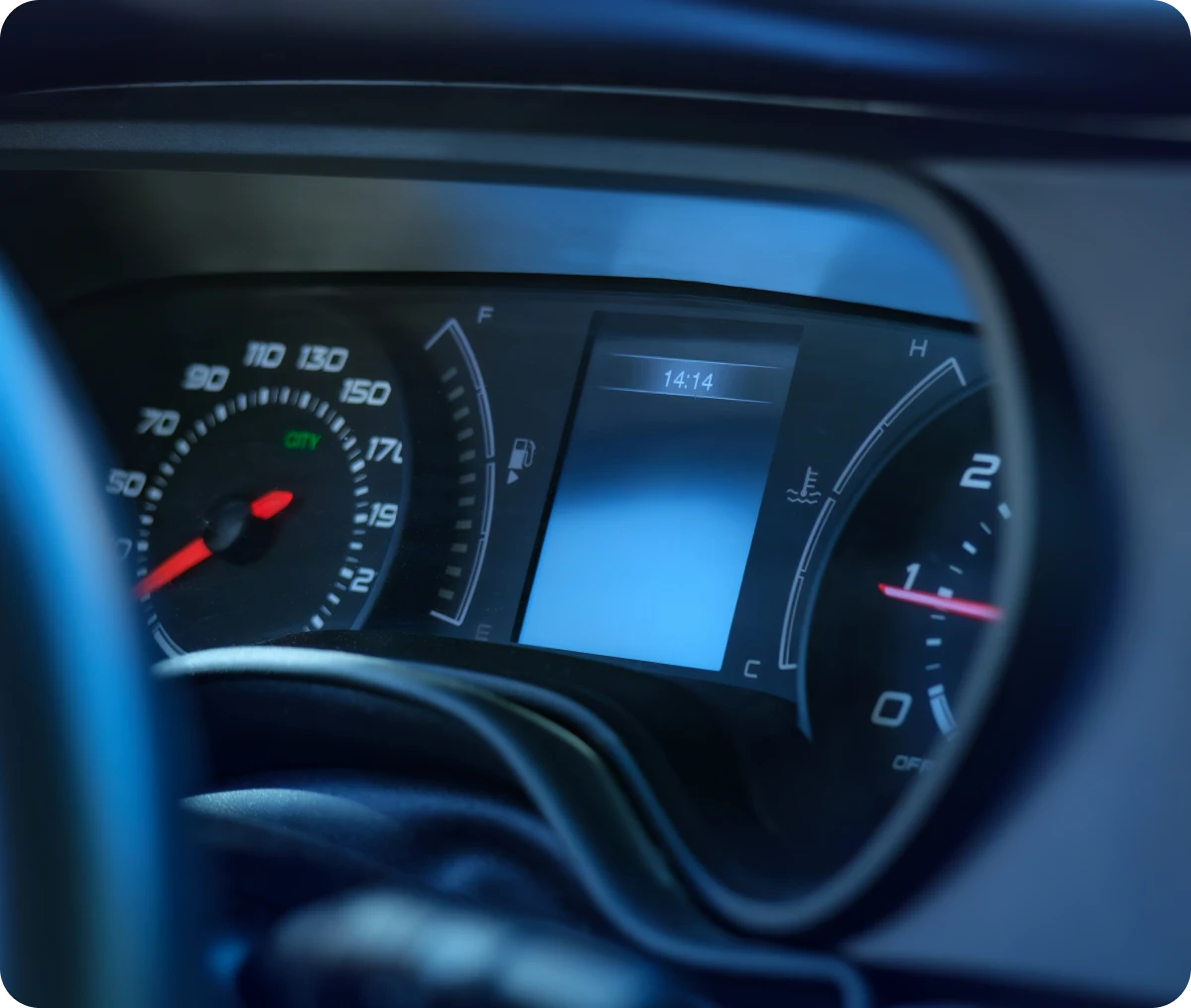
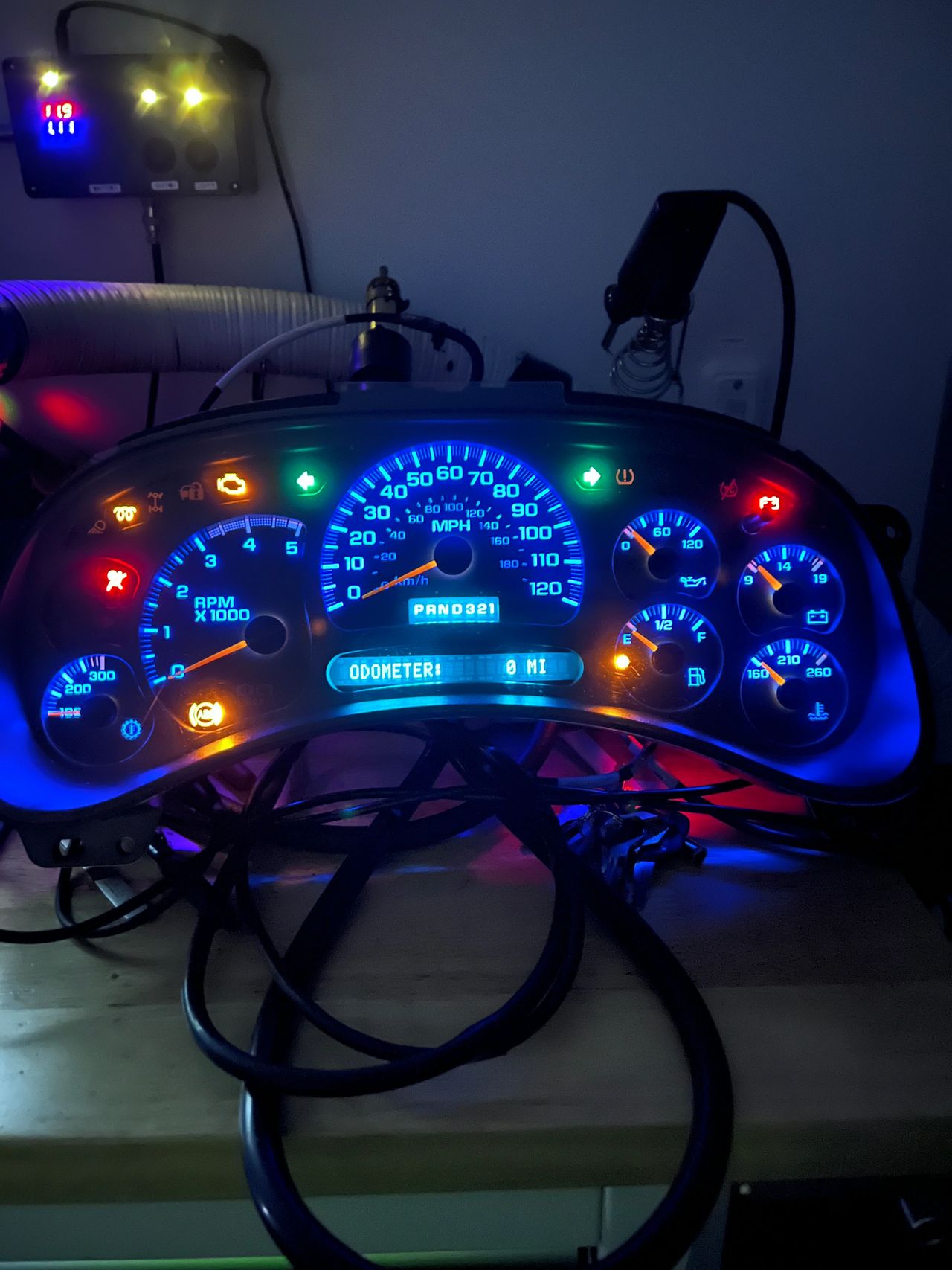
Want clearer, smarter dashboard readings? Digital automotive gauges give you precise info at a quick glance. These gauges use electronic displays, showing speed, fuel, and temps in crisp detail you can read in any light.
They respond faster than analog needles and reduce the guesswork when you’re watching your car’s vital stats. A digital upgrade means fewer moving parts, better visibility, and easy custom options for style and function.
If your current cluster is dim or outdated, Digitech Auto Solutions can rebuild or upgrade it the right way. Keep reading to learn how digital gauges work, why they matter, and how to pick the right ones for your car.
What Are Digital Automotive Gauges?
Digital automotive gauges use electronic displays instead of needles to show key vehicle information. They help you track speed, fuel, temperature, and more with precise numbers or graphics. These gauges offer new features and greater accuracy compared to older analog versions.
Definition and Purpose
Digital automotive gauges use electronic screens or LED lights to display key info about your vehicle’s performance. Unlike analog gauges, which rely on moving needles and printed dials, digital gauges show numbers or icons directly. This makes it easier to read data quickly and accurately while driving.
You’ll find digital gauges used for speed, engine temperature, fuel level, RPM, and battery status. They also allow for custom designs and lighting, improving visibility in all conditions. If your dashboard looks modern and sleek, it probably has digital components behind those readouts.
How Digital Gauges Differ from Analog Gauges
Analog gauges use mechanical parts to move a needle over a dial. Digital gauges replace this with electronic sensors and screens, reducing moving parts and increasing reliability.
Digital displays are easier to customize. Some can switch between different layouts or colors. They provide more precise data, showing exact numbers instead of an estimate from a needle’s position. If you have a GM vehicle with instrument cluster issues, expert repairs and upgrades keep your digital gauges accurate and bright.
History and Evolution
Early cars used simple analog gauges made from physical parts. As electronics advanced, manufacturers began adding digital elements in the 1970s and 1980s. Small digital readouts appeared alongside analog gauges to provide extra info.
By the 2000s, fully digital instrument clusters became more common, thanks to better screens and sensors. Today, many new vehicles use fully digital gauges for sharper graphics and more features.
Key Types of Digital Automotive Gauges
Digital automotive gauges come in several key forms, each providing precise feedback about your vehicle’s operation. These gauges let you monitor speed, engine RPM, oil pressure, temperature, and fuel levels with clear, easy-to-read displays.
Digital Speedometers
A digital speedometer shows your vehicle’s speed using numbers on a screen rather than a moving needle. It gives you exact, at-a-glance speed readings, which are easier to read in all lighting conditions.
Many digital speedometers include:
- Backlighting for night driving
- Speed warnings or alerts
- Integration with other display systems in your car
Because they use electronic sensors, digital speedometers offer more consistent readings than older analog models. If your digital speedometer flickers or lags, it could indicate sensor or wiring issues that a specialist can fix quickly.
Digital Tachometers
Digital tachometers measure your engine’s revolutions per minute (RPM), showing how hard the engine is working. This gauge is essential for drivers who want to optimize fuel efficiency or avoid over-revving the engine.
You get precise RPM numbers displayed digitally, making it simple to spot when your engine is idling too high or reaching redline. In performance vehicles, some digital tachometers include shift lights or warnings that help you know the best time to change gears.
If your tachometer displays incorrect RPM readings or goes blank, it’s typically a sensor or electrical issue. Repair experts can restore your tachometer’s accuracy using OEM parts for GM vehicles.
Oil Pressure Gauges
Oil pressure gauges monitor the oil flow within your engine. Maintaining proper oil pressure is critical because low pressure can cause engine damage by reducing lubrication.
Digital oil pressure gauges give you real-time numeric readings so you can see if oil pressure is dropping before it becomes a serious problem. Many modern gauges also feature warning alerts if pressure falls below safe levels.
If your oil pressure gauge shows unusual readings, like sudden spikes or drops, it could mean a faulty sensor or wiring issue. Addressing this early with a professional repair helps keep your engine safe and running smoothly.
Temperature and Fuel Gauges
Digital temperature gauges track your engine’s coolant temperature, preventing overheating. These gauges clearly display the exact temperature, helping you recognize issues before they cause damage.
Fuel gauges show how much gas you have left, usually as a percentage or level indicator. Digital displays often offer better accuracy and can connect with trip computers for fuel economy info.
Both temperature and fuel gauges rely on sensors that can wear out or get dirty. If you notice your gauges are stuck or showing inaccurate readings, professional repair or sensor cleaning is usually needed to restore proper function.
Trusted services provide expert repairs and quick turnarounds for digital gauge issues, especially for GM vehicles. Their precision tools and decades of experience mean you get trusted service that keeps your dashboard reliable.
Benefits of Upgrading to Digital Gauges
Switching to digital gauges changes how you see important info while driving. You get better accuracy, easy ways to make your dashboard fit your style, and clearer displays that work well day or night.
Improved Accuracy
Digital gauges give you precise readings. Unlike old analog gauges with moving needles, digital ones use electronic sensors to display speed, fuel, and temperature. This means you get real-time, exact numbers.
If you’ve dealt with a stuck or faulty needle, digital gauges solve that. You can trust the numbers you see, which helps you avoid problems early. A top service uses OEM equipment to ensure digital upgrades maintain factory specs for your GM vehicle.
Accurate data means safer driving. For example, you’ll know exactly when to refuel or check coolant levels. Digital gauges also reduce errors caused by vibrations or wear over time.
Customization Options
Digital gauges let you personalize your dashboard in ways analog gauges can’t. You can pick different colors, fonts, and layouts to match your style or improve readability. Some systems let you add extra info like trip data, engine diagnostics, or custom alerts.
Customization is great if you want a modern look or need specific data for track days or long trips. You can update your display without swapping out hardware, making it flexible and future-proof.
Custom LED upgrades and lens options make your cluster unique. Whether you want bright blue lights or subtle red tones, digital gauges give you control.
Enhanced Visibility
Digital gauges are easier to read in all lighting conditions. Bright, sharp displays stay clear in sunlight and don’t fade in the dark like traditional gauges. Some digital clusters adjust their brightness automatically based on ambient light.
This is especially helpful if you drive at night or in bright daylight. You won’t have to squint or guess your speed or fuel level. Clear visibility helps you stay focused on the road.
You also avoid issues like dim or flickering dashboard lights, which are common in older cars. Upgrading to digital gauges means consistent, reliable information you can see instantly, no matter the time of day or weather.
How to Spot Failing Digital Gauges Early
A digital gauge that blinks, lags, or freezes may be telling you something is wrong inside the cluster. Watch for signs like missing numbers, slow updates, or random resets while driving.
These issues often come from loose wiring, bad sensors, or internal board damage. If your screen flickers in sunlight or fades at night, check for display or voltage problems.
Restarting your car might fix a temporary bug, but ongoing glitches need a deeper check. Early fixes save time and money, so don’t ignore digital display issues when they first appear.
Installation and Compatibility Considerations
When you choose digital automotive gauges, you need to know how they fit your vehicle and connect to your car’s systems. Decide whether to install them yourself or seek professional help for the best results.
Vehicle Compatibility
Not every digital gauge fits all vehicles. Check if your car’s make, model, and year support the specific gauge system you want. Many digital gauges are designed for popular models, especially GM vehicles, thanks to standardized parts and wiring.
Look for gauges that match your vehicle’s sensor types and electrical system. Otherwise, you might face flickering lights, inaccurate readings, or system errors. Some digital gauges require calibration specific to your car’s engine and systems.
If you drive a GM vehicle, reliable companies ensure your new cluster or gauges work perfectly with factory settings. They use OEM tools to match all diagnostics and wiring exactly to your model.
DIY vs. Professional Installation
Installing digital gauges yourself can save money, but requires some skill. You’ll need basic knowledge of your vehicle’s wiring and dashboard components. A wrong wire connection or poor fit can cause major problems.
Professional installation guarantees precise fits and connections. They handle repairs and upgrades quickly, with expert tools that protect your vehicle’s electronics.
If you’re a beginner, a professional service prevents mistakes that could lead to dashboard failure, trouble codes, or drained batteries. For DIY, follow detailed guides and use proper tools.
Integration with Vehicle Systems
Digital gauges communicate with sensors, ECU, and other systems to show accurate data. Proper integration ensures your speedometer, fuel gauge, and temperature readouts work flawlessly.
Older cars may need extra modules or adapters for digital gauges. Newer vehicles might require software updates or flashing the ECU to accept the new display.
Testing is key. Confirm every gauge reacts instantly and shows correct numbers. Services perform detailed diagnostics after installation to make sure everything syncs with your car’s electronics.
Pay attention to compatibility, installation method, and system integration to keep your digital gauges working right.
Latest Trends in Digital Automotive Gauges
Digital automotive gauges are changing fast. You’ll find new ways to connect your car’s dashboard with smart tech, plus fresh designs that make your gauges easier to read and more stylish.
Smart Features and Connectivity
Today’s digital gauges often connect with your smartphone or car’s computer to give you real-time data. You can see fuel efficiency, tire pressure, and engine warnings all in one place, sometimes even before they show up on traditional gauges.
Some gauges now include wireless updates so your display gets new features without a visit to the shop. Integration with apps lets you customize alerts and track your vehicle’s health from anywhere.
Design Innovations
Modern digital gauges focus on clarity and style. You’ll see brighter LED displays and sharper graphics that make speed and RPM easy to read at a glance, even in bright sunlight.
Many newer clusters allow customizable colors and layouts so you can tweak what info is most important to you. Some come with touchscreen controls to switch modes or change lighting easily.
Improved materials, like scratch-resistant lenses and anti-glare coatings, make these displays last longer and stay clear. Whether you want a clean, minimal look or a high-tech vibe, digital gauge designs now fit many tastes and needs.
Upgrade Your Dashboard the Smart Way
Digital automotive gauges enhance your ability to view and manage your vehicle’s vital data. They offer sharp displays, fast updates, and custom layouts that suit your driving needs.
Whether you want a cleaner look or better accuracy, digital is a smart move. Upgrades can be simple, and repairs don’t have to be expensive if caught early.
If your cluster needs an upgrade or fix, Digitech Auto Solutions delivers expert help with trusted results. A brighter, smarter dash makes every drive safer — and more enjoyable.
Frequently Asked Questions
Digital automotive gauges offer clearer readings, faster updates, and more design options compared to traditional setups. They also let you adjust displays and often fit your vehicle better with upgrades or repairs.
How do I install a new gauge set in my classic car?
Start by disconnecting the car battery to prevent electrical issues. Remove your old gauge cluster carefully, noting where each wiring connection goes. Then, install the new digital gauge set by matching wires and securing the cluster in place. You might need extra adapters depending on your car model.
What are the benefits of switching to digital gauges in my vehicle?
Digital gauges show data more precisely and update quickly. They often have brighter, easier-to-read displays, especially at night. You can customize colors and layouts to fit your style or needs. They also tend to be more reliable because there are fewer moving parts to wear out.
Are digital gauge clusters universal for all types of cars?
No, digital gauge clusters are not universal. Different vehicles have unique wiring and software needs. Some digital clusters are made to fit specific models or brands. For the best fit and function, look for clusters compatible with your vehicle or consult a specialist.
How can I customize the display of my digital automotive gauges?
Many digital gauges let you change colors, adjust brightness, and choose the information shown. Some offer custom alerts or animations. Check your gauge’s manual or software for available options. Experts at Digitech Auto Solutions can help with custom upgrades and show you how to use these features.
What is the difference between analog and digital gauge clusters?
Analog gauges use physical needles and dials to show data like speed or fuel levels. Digital clusters display this information on a screen with numbers or graphics. Digital gauges show more information in less space and offer better visibility. Analog gauges have a classic look that some drivers prefer.
How do you troubleshoot common issues with digital automotive gauges?
First, check your vehicle’s battery and fuses. Dim or flickering displays often mean electrical problems or bad bulbs. If gauges are stuck or show wrong readings, faulty wiring or sensors might cause the problem. Digitech Auto Solutions can diagnose and fix these issues quickly.