
Sub-Total: $0.00
The Cost of Replacing an Instrument Cluster: Pricing and Options
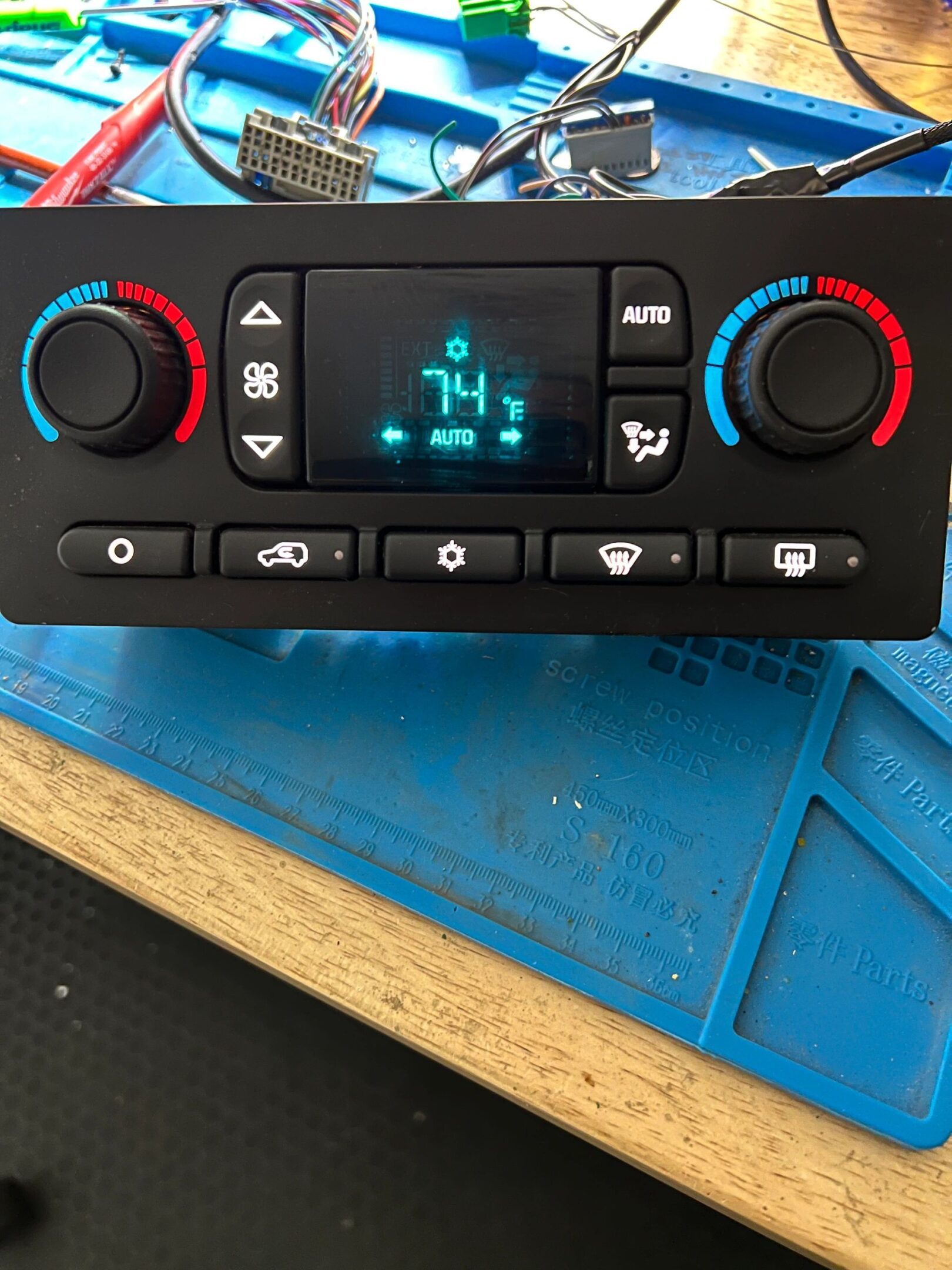

Thinking about replacing your instrument cluster? Here’s what it really costs and how to save.
The cost of replacing an instrument cluster usually falls between $200 and $1,000. It depends on your vehicle, the cluster type, and whether you go for a new unit or a repair.
Some clusters are simple and affordable, others require special tools and programming. At Digitech Auto Solutions, we help you avoid surprises with fast diagnostics and repairs you don’t pay for until tested.
Read on to understand pricing, your options, and how to get your gauges working again without overspending.
Average Cost to Replace an Instrument Cluster
Replacing your instrument cluster involves several cost factors. These include the price of the parts, labor charges, and whether you do it yourself or hire a professional.
Typical Price Range
The cost to replace an instrument cluster varies, but you can expect to spend between $200 and $800 for most vehicles, with GM clusters often in the middle of that range. Basic clusters are usually cheaper, while digital or advanced ones cost more.
High-end or custom clusters with LED upgrades or special features can cost over $1,000. Lifetime warranties or rebuilt and programmed clusters often cost $215 to $300.
Prices differ based on vehicle make and model. Some clusters are more complex and need special programming tools.
Parts Versus Labor Costs
Parts usually make up about half of the total replacement cost. A new or rebuilt cluster might cost $150 to $600, depending on its complexity.
Labor costs can range from $50 to $200. This depends on how hard it is to remove the cluster and if programming is needed to match your vehicle’s VIN.
Professional shops handle both parts and programming. They use OEM equipment to make sure clusters work like the originals, saving you time and preventing errors.
DIY Versus Professional Replacement
Doing the replacement yourself can save money, but it comes with risks. Removing the cluster requires careful steps like disconnecting the battery and handling delicate wiring. Mistakes can cause more damage or void warranties.
Professional replacement gives you expert diagnostics and programming. Pros can offer quick turnaround—often same-day or within 24 hours—and guarantee the job is done right.
If you want reliability or your cluster needs reprogramming, hiring a skilled technician is worth the extra cost.
Factors That Influence Replacement Costs
The cost to replace your instrument cluster depends on several things. Your car type, the kind of cluster, and whether you choose a new or remanufactured part all affect the price.
Vehicle Make and Model
The make and model of your vehicle play a big role in how much an instrument cluster replacement will cost. Luxury cars and newer models often have more complex clusters with digital displays or advanced features, which can be costly to replace.
For example, a GM vehicle might have parts and repair options that are more affordable and easier to find, especially if you use a specialist. Older or less common vehicles might have clusters that are harder to locate, which can increase the price.
- Economy cars: $150 to $300
- Mid-range models: $300 to $600
- Luxury or newer models: $600 to $1,200 or more
Knowing your vehicle’s details helps you get an accurate estimate.
Type of Instrument Cluster
Instrument clusters differ in their parts and complexity, which affects cost. Analog clusters with simple needle gauges are usually cheaper. Digital or hybrid clusters with LED screens and multiple functions cost more because they use advanced technology.
Clusters with built-in features like GPS, fuel economy readouts, or heads-up displays need specialized parts and programming. Clusters with custom lighting or upgrades cost extra for parts and installation.
New vs. Remanufactured Clusters
You can choose between new and remanufactured clusters. New clusters come from the factory, include warranties, and usually cost more. Remanufactured clusters are used parts restored and tested, often with a shorter warranty.
Choosing remanufactured can save money, but may have limited availability or slight wear. New clusters offer the best reliability but cost more.
Many drivers trust repair shops to restore or upgrade their existing clusters. Repair is often faster and less expensive than replacing the whole unit.
How to Tell If You Need a Repair or Full Replacement
Sometimes, you don’t need a full cluster replacement. Repairs can fix common issues at a much lower cost. Look for these signs to decide:
- One or two gauges aren’t working, but others are fine
- The display flickers or goes dim occasionally
- Warning lights stay on even when there’s no issue
These often point to worn stepper motors, loose connectors, or power issues—things a skilled tech can fix. A full replacement makes more sense if:
- The entire cluster is dead
- Screen or lights don’t turn on at all
- You want to upgrade to a newer or digital style
Choosing correctly saves money and avoids unnecessary work. A quick diagnostic can confirm what’s needed.
Instrument Cluster Replacement Process
Replacing an instrument cluster means removing the old unit, disconnecting electrical connections, and installing the new one. Knowing the steps and tools needed makes the job smoother and safer.
Step-by-Step Overview
First, disconnect your vehicle’s battery to prevent electrical issues. Next, gently remove any trim panels around the cluster, usually secured with clips or screws.
Unscrew the mounting bolts holding the cluster. Carefully pull the cluster out to access the wiring harness behind it. Disconnect all electrical connectors by pressing the tabs and pulling them free.
Connect the new cluster to the wiring harness. Make sure all plugs are secure. Mount the new cluster back in place and reattach the trim panels. Finally, reconnect the battery and test all gauges and lights.
Required Tools and Equipment
You will need:
- A small flathead screwdriver for trim clips
- A Phillips head screwdriver or socket wrench for screws or bolts
- A plastic trim removal tool to avoid scratching your dashboard
- Gloves to keep your hands clean and prevent static
Using OEM or high-quality replacement parts ensures compatibility and reliability. Diagnostic tools help verify the cluster works once installed.
Choosing Where to Replace Your Instrument Cluster
When deciding where to replace your instrument cluster, consider cost, expertise, turnaround time, and warranty. Different places offer different service levels and pricing.
Dealerships
Dealerships have access to OEM parts and factory-trained technicians. They can update your cluster to match your vehicle’s specifications.
However, dealership repairs usually cost more. The price includes labor, parts, and sometimes extra fees for programming and diagnostics. Turnaround time can range from a few days to over a week.
If you want official parts and service but want to avoid long waits, ask about estimates and warranty terms before committing. Dealerships usually provide warranties, but they may be limited.
Independent Mechanics
Independent mechanics offer a more affordable alternative and often work faster than dealerships. They can replace or repair your cluster using aftermarket or used parts, but quality may vary.
Before choosing a mechanic, check their experience with instrument clusters. Not all mechanics have the tools or know-how for complex electronics.
Ask about warranty coverage and if programming is included. Some may not offer the same guarantees or precision as a dealership or specialty shop.
Specialty Shops
Specialty shops focus on instrument cluster repair and upgrades. They offer expert diagnosis and use advanced tools for precise work.
These shops fix problems such as stuck gauges, dim displays, or electrical issues. They often provide customization options like LED upgrades or refreshed gauge lighting.
You’ll get faster turnaround times—sometimes same-day service—and a customer-focused approach. At Digitech, you only pay after seeing a video that confirms your cluster works. This transparency builds trust and ensures satisfaction.
If you want expert care with warranty-backed work, specialty shops are a strong option for keeping your instrument cluster running smoothly.
Additional Fees and Potential Savings
Some costs go beyond parts and labor. You might face fees for programming and calibration, but you can save with warranties and aftermarket options.
Programming and Calibration Costs
Your instrument cluster often needs programming to sync with your vehicle’s computer. This step is important for the cluster to display accurate speed, fuel, and engine info. Programming fees can range from $50 to $200, depending on your car and repair shop.
Calibration is another expense, especially if you replace a cluster with different specs or upgrade it. This process ensures the gauges work correctly.
Without proper programming, your cluster might not work right, causing wrong readings or warning lights. Include this cost in your budget.
Warranty and Aftermarket Options
Many professional repairs come with warranties that cover parts and labor, usually lasting from 90 days to a year. This can save you money if something goes wrong after the replacement. Always ask about the warranty before choosing a repair shop.
Aftermarket clusters or upgrade kits can be cheaper than OEM parts, but may need extra work to fit and calibrate your car. While these options might save you money at first, they can sometimes cause errors or need more adjustments.
If you want custom features, such as LED upgrades or special gauges, aftermarket kits offer good value.
Get Your Cluster Working Without Breaking the Bank
Replacing an instrument cluster doesn’t have to be stressful or overpriced. Costs depend on your vehicle, parts, and the type of repair or replacement.
Knowing your options helps you avoid mistakes and save money. If your cluster’s giving you trouble, you don’t need to guess or overspend.
Digitech Auto Solutions provides honest service, expert repairs, and quick turnaround to get you back on the road confidently.
Frequently Asked Questions
Replacing an instrument cluster involves a few key costs and considerations. You’ll want to know about typical prices, how to get estimates for your vehicle, safety issues, and legal concerns. Finding a reliable service and options for upgrades are also important.
What’s the average price range for vehicle instrument cluster replacement?
The cost usually falls between $200 and $800. Prices depend on your vehicle’s make, model, and year. Luxury or newer cars cost more.
Can I get an estimate for replacing an instrument cluster on a Chevy?
Yes. Contact a specialist for a precise quote. They offer quick estimates, often with a video showing the repaired cluster before you pay.
Is it possible to drive safely with a malfunctioning instrument cluster?
Driving with a broken cluster can be risky. You might miss important warnings like low fuel, engine problems, or speed limits. Fix it promptly to avoid safety issues.
Are there any legal issues with changing my car’s instrument cluster?
Changing your cluster usually isn’t illegal if done correctly. Tampering with the mileage or odometer reading is illegal. Always use a trusted service that follows these rules.
Where can I find a reliable service for instrument cluster repair near me?
Look for shops with high ratings and technicians trained in your vehicle brand. Digitech Auto Solutions is a trusted choice nationwide, especially for GM vehicles, offering fast and clear service.
Can a vehicle’s instrument cluster be upgraded to a digital one easily?
You can upgrade a vehicle’s instrument cluster to a digital one, but some models make the process easier than others. Professionals can guide you through options and install the upgrades.