
Sub-Total: $0.00
How to Spot a Faulty Sensor vs. Gauge Issue Properly
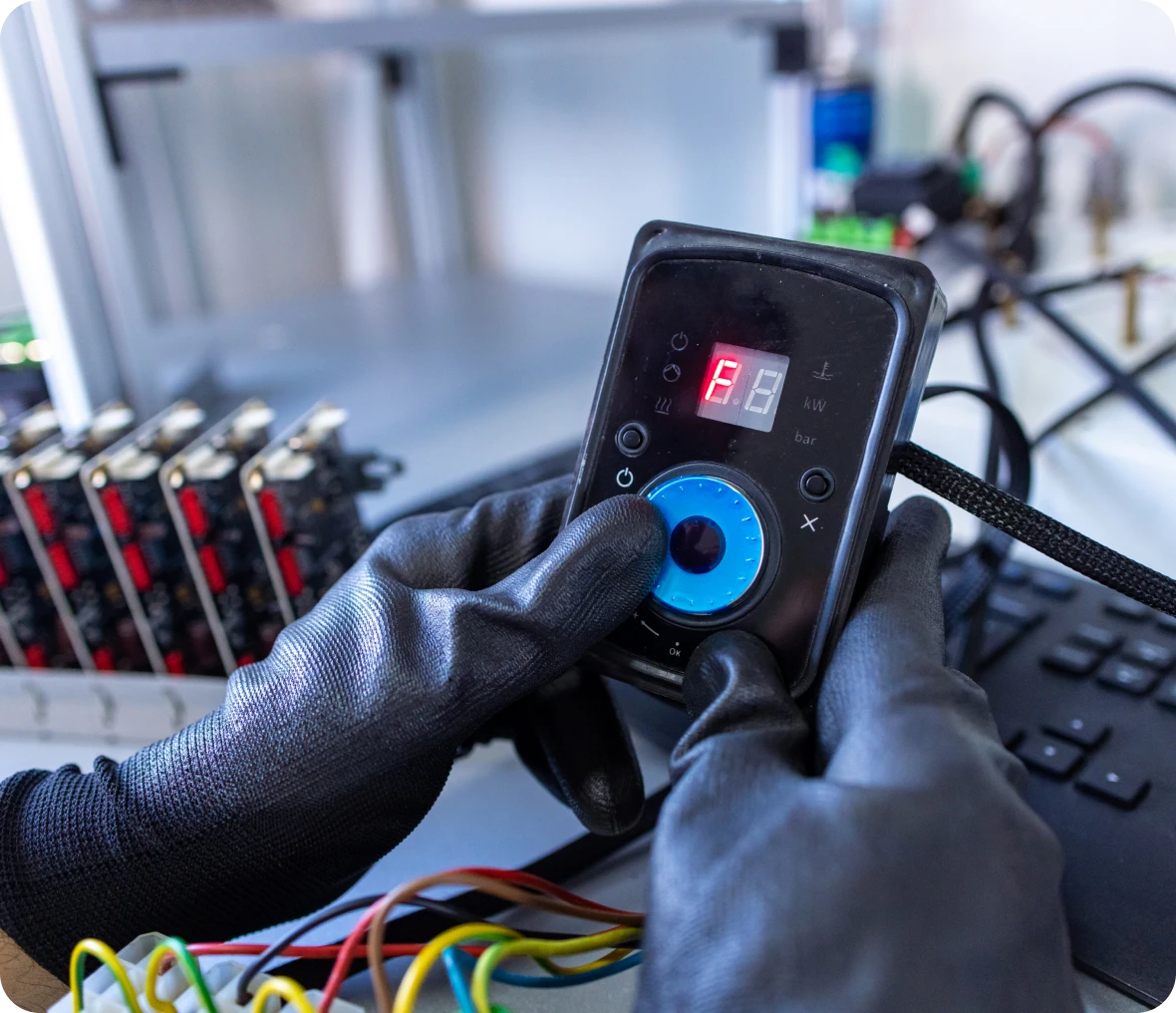

When your gauges act up, the big question is: is it a faulty sensor or a broken gauge? This guide will help you spot a faulty sensor vs. gauge issue properly—with clear steps and real-world symptoms to tell them apart fast.
A sensor issue usually causes erratic or no data to reach the gauge. A gauge problem means the sensor is fine, but the display isn’t working correctly.
You can test this by checking if multiple gauges linked to the same sensor behave strangely, or just one gauge acts up. Sensor faults often trigger warning lights or engine codes, while a bad gauge might only show wrong readings without any alerts.
If you’re not sure where the issue lies, the factory-trained team at Digitech Auto Solutions can help. Their technicians provide accurate repairs, fast turnaround, and video proof before you pay.
Understanding Sensors and Gauges
Knowing how sensors and gauges work helps you figure out if the issue is with the sensor or the gauge. Sensors collect info like speed or temperature, while gauges display it on your dashboard.
Common Types of Sensors
Sensors detect changes in things like temperature, speed, or pressure. In your vehicle, common sensors include the speed sensor, coolant temperature sensor, and fuel level sensor.
These sensors send electrical signals to the car’s computer or the gauge cluster. For example, the speed sensor tells the speedometer how fast you’re going. If the sensor is bad, the gauge might get the wrong info or nothing at all.
Dirt, corrosion, or wiring problems can make sensors send faulty signals.
How Gauges Operate
Gauges inside your dashboard display data from sensors. They turn electrical signals into outputs like speed, fuel level, or engine temperature.
Most gauges use analog needles or digital readouts. When a sensor sends a data signal, the gauge adjusts the needle or number accordingly. If a gauge has internal issues, such as a broken motor or lighting failure, it can show wrong readings even if the sensor works fine.
Gauges can fail due to wear, electrical faults, or bad connections behind the dashboard. This can cause jumping needles, blank displays, or stuck readings.
Role of Sensors in Automotive Systems
Sensors act as the car’s eyes and ears, constantly monitoring engine and vehicle conditions. Their data helps the engine control unit (ECU) make decisions and keeps your gauges updated.
For example, the coolant temperature sensor alerts the engine when the motor is too hot. Without this, your gauge won’t warn you before damage happens.
In modern vehicles, sensors communicate with many systems, not just gauges. If a sensor fails, it can cause the dashboard to show errors, affect engine performance, or trigger warning lights.
Recognizing Symptoms of Faulty Sensors
When a sensor starts failing, it often sends wrong info that can mess with your vehicle’s systems. You might notice strange dashboard warnings or odd engine behavior. Sometimes the numbers or readings on your gauges don’t match what you expect.
Warning Signs on the Dashboard
Your dashboard lights are the first clues that a sensor may be faulty. Look for check engine lights, or signals like the ABS or oil pressure warning staying on without reason.
If warning lights flicker on and off or stay on after you’ve fixed other issues, a bad sensor could be the cause. Sensors frequently trigger these alerts when sending incorrect data to the computer.
Sometimes the dashboard might show no warnings but still act strangely, like gauges jumping around or staying stuck. That can mean the sensor feeding those gauges isn’t working right.
Irregular Engine Performance
Faulty sensors can disrupt how your engine runs. You may feel rough idling, hesitation, or unusual stalling during normal driving.
For example, a bad oxygen sensor could lead to poor fuel mixture, causing lower gas mileage or rough acceleration. Engine timing sensors that fail might cause misfires or power loss.
If your engine is slow to respond, runs unevenly, or struggles to maintain speed, a sensor issue could be behind it. These problems often start subtly, but can get worse if ignored.
Unusual Readings
You might see strange numbers on your gauges that don’t match what’s really happening.
A temperature gauge that stays too high or low, or a fuel gauge that bounces wildly, can signal a sensor problem. These sensors send data directly to your cluster, so faults show up there.
If readings are inconsistent or don’t match other signs like engine heat, suspect a sensor fault over a gauge error.
Spotting Gauge Malfunctions
Gauge issues can show up in different ways. You might notice physical signs, weird needle movements, or numbers that don’t add up.
Visual Clues of Gauge Failure
Look closely at your gauges. Cracks, foggy covers, or burned-out lights are common signs of trouble. If the needle is stuck, bent, or not lined up with zero when the car is off, that’s another red flag.
Also, check for moisture inside the gauge cluster. Water can cause corrosion and shorts, messing up your readings. Loose or damaged wiring around the gauges can lead to failure too.
Erratic Gauge Movements
If your gauge needle jumps or moves quickly without reason, this often means the gauge is faulty. For example, a speedometer needle that bounces erratically or a fuel gauge needle that swings wildly while driving can indicate internal gauge issues.
You might also see the needle sticking or lagging behind real changes. This happens when worn-out parts inside the gauge cluster can’t respond correctly to signals.
Inconsistent Readings
Pay attention when your gauge readings don’t match reality. Like a temperature gauge rising quickly then dropping just as fast without changes in engine heat. Or a battery voltage gauge that shows different values under the same driving conditions.
If the numbers fluctuate without a pattern or contradict other dashboard warnings, the gauge is likely the cause. A sensor usually sends stable data, so random readings point to a gauge malfunction.
Diagnostic Steps for Sensor Issues
You need clear steps to find out if a sensor is the problem or if the gauge itself is faulty. This involves checking for error codes and testing the sensor’s voltage directly.
Checking for Error Codes
Start by using an OBD-II scanner to check your vehicle’s computer for error codes. These codes often point to specific sensors that may be failing. Write down any codes you get.
Look for codes related to sensor malfunctions, like P0128 (coolant temperature sensor) or P0500 (vehicle speed sensor). If no relevant codes appear, the problem may be the gauge, wiring, or connectors.
Also, clear the codes after checking and drive the vehicle again. If the same codes come back, the sensor likely has a real issue.
Performing Sensor Voltage Tests
Test the sensor’s voltage with a multimeter. First, disconnect the sensor’s connector and check the voltage at the wiring harness.
Compare your readings to your vehicle’s service manual—many sensors operate on 5 volts or a specific range. Look for stable voltage when the sensor is powered.
Next, check the sensor’s signal wire while the engine runs or the part it monitors moves. Changing voltage indicates a working sensor. No change or a zero reading means the sensor could be faulty.
Inspect wiring for damage or loose connections, as these can cause false sensor readings.
Testing the Integrity of Gauges
Be sure the gauges themselves are working right before replacing anything else. Checking the gauge’s physical state and running tests outside your vehicle helps confirm if the problem is with the gauge or the sensor.
Physical Gauge Inspection
Look at the gauge closely. Check for cracks, corrosion, or signs of moisture inside the cluster window. Any damage might cause the gauge to stick or give false readings.
Try moving the needle gently with your finger if accessible. It should move freely and return smoothly to zero or the resting position. Stuck or stiff needles usually mean the gauge needs repair.
Inspect the wiring and connectors behind the cluster. Loose, broken, or corroded pins can cause faulty signals and erratic gauge behavior. Make sure all connections are clean and secure.
Bench Testing Gauges
Bench testing means removing the gauge and powering it up with controlled signals. Use a multimeter and a power source like a 12V battery or test bench setup.
Apply a known input voltage or signal to the gauge terminals and watch the needle response. It should move smoothly in proportion to the signal. If it jumps erratically or doesn’t move, the gauge or its stepper motor may be faulty.
You can compare the gauge’s readings to a known good unit for accuracy. If you don’t have tools or experience, a professional shop can do this quickly and send video proof of the results.
Comparing Sensor and Gauge Failures
When your dash shows odd readings, it helps to know if the problem is from the sensor or the gauge itself. Symptoms and causes differ between the two.
Key Differences in Symptoms
If the issue comes from a sensor, you may see erratic or no readings across multiple trips. For example, your speedometer might jump between numbers or stay stuck at zero even while you drive.
Gauge issues tend to show up as frozen needles, flickering, or gauges that move slowly or not at all. Often, only one gauge acts up if the fault is internal.
You might notice erratic behavior during engine start or when turning lights on and off—which can signal faulty sensors. Random needle jumps or blinking lights usually point toward gauge failure.
Common Causes of Each Type of Fault
Sensor faults typically come from wiring issues, dirty or damaged sensor parts, or bad connections. A common example is a speed sensor getting worn by dirt or moisture.
Gauge failures often stem from electrical shorts, cracked circuit boards inside the cluster, or worn-out mechanical parts like the needle motor. Heat and vibration can also wear out internal gauge components.
Grounding problems or loose cluster plugs can cause symptoms similar to both sensor and gauge faults, so check connections first.
Practical Tips for Accurate Identification
To figure out if the problem is a faulty sensor or a gauge issue, use reliable tools and trusted information. Measuring electrical signals correctly and knowing what to look for in your vehicle manual helps you avoid guesswork.
Using Multimeters Effectively
A multimeter is your best tool to test sensors and gauge circuits. Set the multimeter to measure voltage or resistance, depending on what the sensor requires.
Check the sensor’s output by connecting the leads to the sensor’s terminals while the vehicle is on. You should see voltage or resistance values change as you activate or move the part the sensor monitors.
Test the wiring from the sensor to the gauge cluster. Look for broken wires or shorts by checking continuity.
If the sensor output is normal, but the gauge shows an error, the fault is likely with the gauge. If sensor output is off, the sensor or wiring needs fixing.
Consulting Vehicle Manuals
Your vehicle’s manual has critical info about sensor specs and gauge wiring. Look up the exact sensor types and expected electrical values listed for your model.
Use wiring diagrams to trace signal paths from sensors to the instrument cluster. This helps you confirm if wires match circuits shown and spot damage or disconnects.
The manual often includes test procedures for sensors and instrument clusters. Follow these step-by-step checks to get accurate readings without damaging parts.
Keep the manual handy during testing so you can quickly reference values and instructions. This lowers errors and speeds up diagnosis.
Preventing Future Sensor and Gauge Issues
Keeping your sensors and gauges working reliably means staying on top of care and using the right parts. Small steps now help avoid costly, confusing problems later.
Regular Maintenance Best Practices
Check your gauges and sensors regularly for unusual readings or slow responses. Dirt, moisture, and worn wiring often cause issues before the sensor or gauge itself fails.
Inspect your vehicle’s electrical connections every few months. Clean any corrosion and tighten loose plugs.
Watch for dashboard warning lights and address them promptly. Early attention can save you time and money.
If your gauges flicker or get stuck, test your cluster and sensor wiring with a multimeter or ask a professional to diagnose the problem.
Keep records of your maintenance checks to spot trends or recurring issues.
Choosing Quality Replacement Parts
Always use parts made for your exact vehicle model when replacing sensors or gauges. Cheap, universal parts often fail faster or give bad readings.
Choose OEM (Original Equipment Manufacturer) or high-quality aftermarket options with warranties and positive reviews.
Ask your supplier if the parts have been tested for temperature, vibration, and electrical compatibility.
Avoid parts from unknown brands or sellers without clear guarantees. Poor replacements can cause new electrical faults or damage your cluster.
If you’re unsure, consult a factory-trained specialist to recommend or install the right part for your GM or Dodge vehicle.
When to Seek Professional Help
If your gauges act up, and you’re not sure whether it’s a faulty sensor or a cluster problem, get a professional opinion. Simple fixes like blown fuses or loose wires can sometimes cause similar symptoms. But electrical or cluster issues can become complicated quickly.
Call an expert if you notice:
- Gauges jump or stick randomly
- Lights on the dash flicker or go out
- Battery drains unexpectedly
- Error codes or warning lights that don’t clear
Trying to fix complex cluster or sensor problems yourself can cause more damage or higher repair costs. Professional shops offer fast, factory-trained repairs and send you video proof before you pay. You see the work and know it’s fixed.
If you have a GM truck or SUV, or a Dodge/Chrysler needing TIPM repairs, specialists can access service bulletins and know which parts commonly fail. This expertise helps you avoid buying unnecessary parts.
Get Your Gauges Working Right Again—Without Guesswork
Knowing whether you’re dealing with a faulty sensor or a broken gauge helps you fix the problem fast. With the right tools, clear symptoms, and expert support, you can avoid replacing the wrong part. This way, you properly get your dashboard back to normal.
Still unsure if it’s your sensor or gauge causing the issue? Let the experts at Digitech Auto Solutions take the guesswork out.
Their factory-trained team offers fast repairs with video proof—so you only pay when it’s fixed right. Start your repair with their simple Service Order Form today.
Frequently Asked Questions
Knowing whether the problem is with the sensor or the gauge can save you time and money. Recognizing signs of a faulty fuel sending unit, how to test gauges, and what to do when temperature readings act up helps you decide what to do next.
What are the common symptoms of a bad fuel sending unit?
Your fuel gauge might jump between empty and full or show the wrong level. Sometimes the gauge stays stuck at one point or moves erratically. These signs usually point to a bad sending unit.
How can I check if my fuel gauge or sensor is malfunctioning?
Watch your gauge while the ignition is on, but the engine is off. If the gauge needle doesn’t move or jumps wildly, the sensor or wiring may be the problem. You can also swap the sending unit with a known good one to see if the gauge reacts properly.
Can a faulty sensor cause my car not to start?
Yes, a bad sensor related to the fuel system or engine controls can prevent starting. If the sensor fails to send the right signals, your car’s computer might not allow the engine to run.
What steps should I take to diagnose a problematic temperature gauge sensor?
Check if the temperature gauge stays at cold or overheats quickly. Use a multimeter to test sensor resistance at different temperatures. Compare the readings to manufacturer specs to see if the sensor is faulty.
Is it possible to drive safely with a defective fuel sending unit?
You might be able to drive, but it’s risky. Without accurate fuel readings, you could run out of gas unexpectedly. Fix the sending unit or repair the gauge to avoid getting stranded.
How do you differentiate between a sensor issue and a gauge malfunction?
If the sensor works, but the gauge doesn’t respond or shows wrong readings, the gauge is likely the problem. If the gauge works but the readings are off, the sensor or wiring is usually to blame. Test both parts to find the issue.