
Sub-Total: $0.00
How to Fix Cluster Problems After Dead Battery
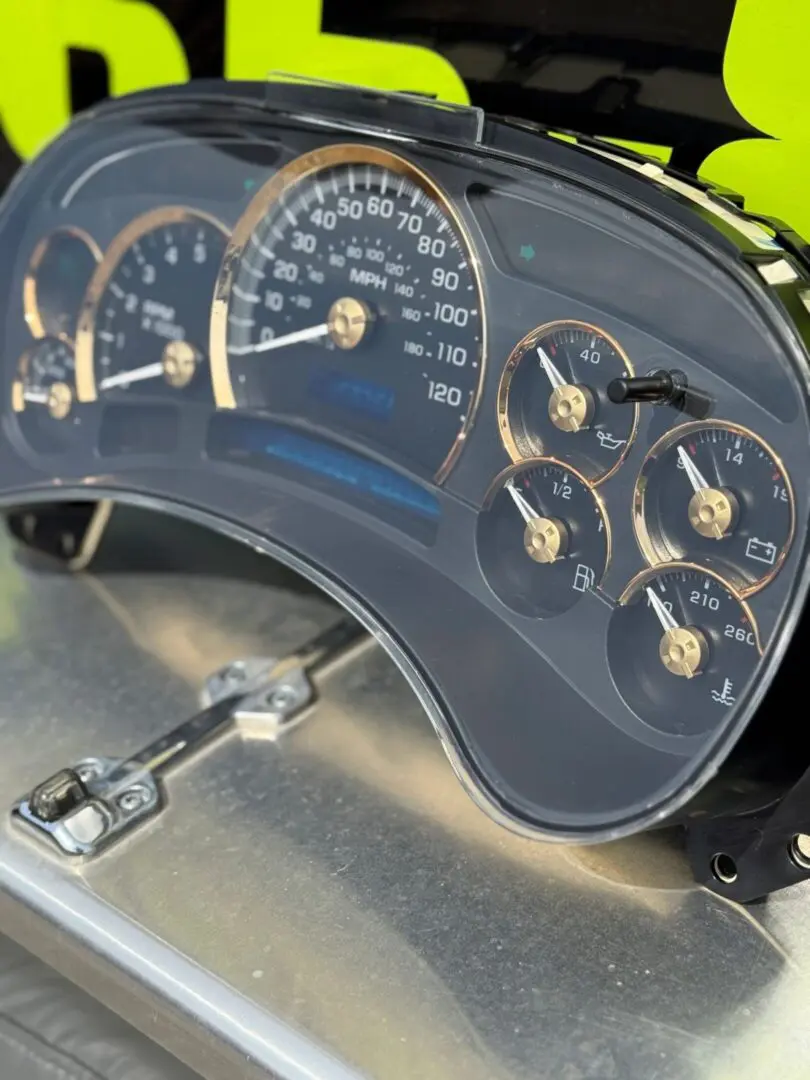
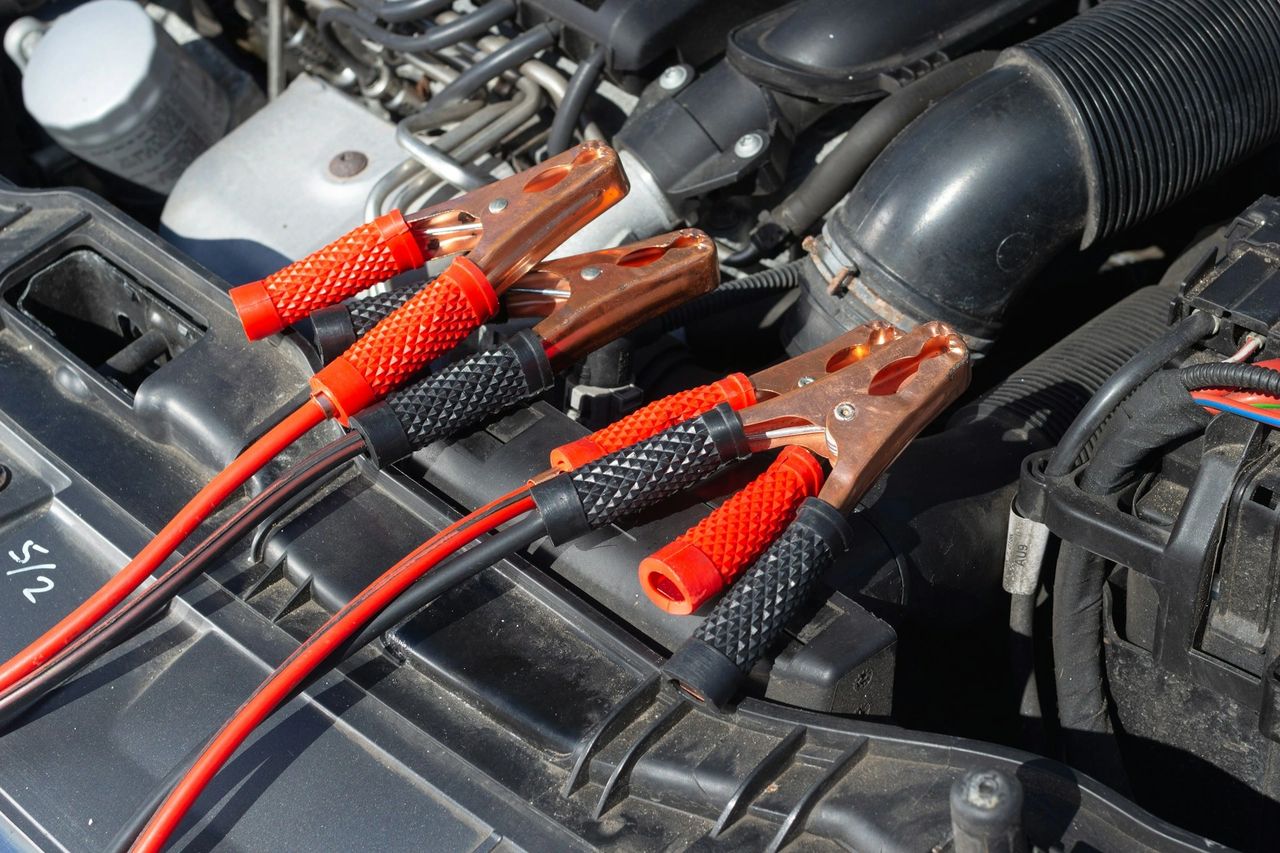
If you’re searching for how to fix cluster problems after a dead battery, you’re in the right place. It’s common for drivers to experience frozen gauges, blinking lights, or a completely blank dash after a jump-start or battery swap. These cluster problems after dead battery events often happen because the cluster loses power and resets its internal memory.
To fix cluster problems like these, it helps to know what’s really going on. Instrument clusters depend on steady voltage and saved settings to work correctly. When those get disrupted, you might see glitches, incorrect readings, or warning lights that won’t go away.
Whether you drive a Silverado, Sierra, Dodge, or Chrysler, this guide walks you through practical steps to diagnose and reset your cluster. And if the issue won’t go away, Digitech Auto Solutions can help with fast, professional repairs you can trust.
Keep reading to learn how to spot problems, try simple resets, and when to get help
Understanding Cluster Problems After a Dead Battery
When your car battery dies, it can cause more than just a no-start situation. Your instrument cluster can act up too. Knowing what a cluster is, how a dead battery affects it, and the signs of trouble helps you spot issues early and decide on the next steps.
What Is an Instrument Cluster?
Your instrument cluster is the panel on your dashboard that shows vital info like speed, fuel, engine temperature, and warning lights. It contains gauges, needles, and digital screens that send real-time data to you. A circuit board inside the cluster controls all these parts.
Clusters need proper electrical power to work well. If the power is interrupted, parts may reset or stop working temporarily. This can cause your cluster to show wrong numbers or freeze until fixed.
How a Dead Battery Affects Electronic Systems
A dead battery cuts power to your car’s electronics, including the instrument cluster. When power is lost suddenly, the cluster’s internal memory or software can glitch. This may reset settings or cause pins and connectors to lose contact.
Some clusters, especially in GM trucks and SUVs, use data from modules like the TIPM (Totally Integrated Power Module). Power loss can affect these modules, causing confusion in the cluster display. In many cases, reconnecting a good battery clears the problem, but sometimes repairs are needed.
Common Signs of Instrument Cluster Issues
After a dead battery, watch for these signs in your cluster:
- Frozen or stuck needles that don’t move when you drive
- Blank or flickering displays on the digital screen
- Warning lights staying on or not turning on at all
- Gauges showing incorrect readings like fuel or RPM
- Cluster noises like buzzing or clicking
If you see any of these issues, your cluster may need checking or repair. Ignoring these signs could lead to more serious electrical problems down the road.
Causes Of Cluster Malfunctions Post Battery Failure
When your battery dies, it can cause a few specific problems with your instrument cluster. These include sudden bursts of voltage, lost memory settings, and damaged fuses. Each issue can stop your gauges or lights from working right.
Voltage Spikes and Surges
Replacing or charging a dead battery can create voltage spikes. These sudden bursts of power may damage delicate electronic parts in your cluster. Voltage spikes can cause your gauges to freeze, jump erratically, or stop responding.
Your cluster’s circuit board is especially sensitive to these surges. If you notice flickering lights or strange needle movements right after a battery change, voltage spikes are likely the cause. Using a quality surge protector or professional service helps avoid this.
Electrical Resets and Memory Loss
Your cluster stores data like odometer readings, trip info, and warning light memories in built-in chips. When the battery dies, this stored information can be wiped clean.
This reset can turn off things you rely on daily, like tire pressure monitors or service reminders. The cluster might also display false warnings until it relearns your car’s condition.
You can often fix this by driving for a while to let the system relearn, or by visiting a specialist who can reset the cluster’s memory correctly.
Blown Fuses Related to the Cluster
A dead battery or jump-start attempt can cause certain fuses in your vehicle’s fuse box to blow. These fuses protect your cluster’s power supply.
If a fuse blows, your cluster may go completely dark or act strangely, like flickering or not showing any readings. Check your vehicle’s fuse panel for blown fuses if your cluster stops working after a battery event. Replacing the fuse usually fixes the problem, but if it blows again, you might have an underlying wiring issue.
Keep spare fuses on hand to quickly solve this common problem.
Troubleshooting Instrument Cluster Problems
If your instrument cluster acts up after a dead battery, start by spotting warning lights, checking gauges, and watching for screen glitches. Each part can show clues about what’s wrong and how to fix it.
Checking Cluster Warning Lights
After a battery dies, warning lights might stay on or not light up at all. Pay close attention to lights like the check engine, ABS, or oil pressure. If a light stays on, it could mean the system needs a reset or there is a real issue.
Try turning the key on and off a few times to reset the cluster. If the lights don’t behave normally, the issue might be electrical or the cluster’s programming. You can also scan your vehicle’s codes with an OBD-II scanner to find specific faults.
Diagnosing Non-Responsive Gauges
When gauges don’t move or act slow, the battery could have caused a loss of power to their sensors or connectors. Check if the needles stay at zero or jump around.
First, make sure all fuses related to the cluster are intact. Next, inspect wiring for any loose or corroded pins behind the cluster. Sometimes, the problem is with the cluster’s circuit board or stepper motors inside the gauges. This may need professional repair or replacement.
Identifying Dashboard Display Glitches
Flickering, blank, or scrambled digital displays are common after a dead battery event. This usually happens due to a voltage spike or improper power-down, which can confuse the cluster’s electronics.
Try disconnecting the battery again and reconnecting it after a few minutes to reset the system. If glitches persist, the cluster display or control module may need reprogramming or repair. Avoid driving with a faulty display as it could affect important alerts.
Start your repair today — just fill out our Service Order Form and ship your cluster in.
Steps To Reset and Restore Your Instrument Cluster
Resetting your instrument cluster after a dead battery can bring back normal function. You can try simple methods like soft resets or battery reconnection to fix common cluster problems.
Performing a Soft Reset
A soft reset can clear minor glitches in your cluster. First, turn off your vehicle and remove the key from the ignition.
Next, press and hold the odometer reset button or trip meter button on your dashboard. While holding it, turn the ignition switch to the “On” position without starting the engine. Keep the button pressed for about 10–15 seconds until the display resets or blanks out.
Release the button and turn off the ignition. Then, start your vehicle to check if the cluster returns to normal. This process doesn’t affect stored data but helps clear temporary errors after a battery failure.
Disconnecting and Reconnecting the Battery
If a soft reset doesn’t work, try disconnecting your vehicle’s battery. Begin by turning off the ignition and removing the key. Use a wrench to loosen the negative (black) battery terminal first.
Leave the battery disconnected for at least 15 minutes. This fully drains residual power and lets your car’s computer reset. After that, reconnect the negative terminal securely, then the positive (red) terminal.
Turn on the ignition and watch your instrument cluster. The display should return to normal function. Note: this method may reset other electronic settings, like your radio presets or clock, which you will need to set again.
Dealing With Persistent Cluster Failures
If your cluster keeps acting up after a dead battery, a simple reset may not fix it. Some issues need reflashing or professional help to get everything working properly and avoid further damage.
When to Reflash or Reprogram the Cluster
Reflashing or reprogramming the cluster helps when the cluster’s software gets corrupted after a battery dies or disconnects. If your gauges act erratically, digital screens flicker, or warning lights stay on incorrectly, reflashing can reload the factory software to fix glitches.
You’ll need a compatible scan tool or software that matches your vehicle’s make and model. This process often clears out software bugs or resets the ECU communication. However, reflashing may not fix hardware problems like broken needles or burned-out bulbs. If symptoms persist after reflashing, you may need professional repair.
When to Consult a Professional Mechanic
If reflashing doesn’t solve the problem, or if you notice physical issues like stuck gauges or dead displays, get expert help. A professional mechanic or a specialist with factory training has the tools and skills to diagnose deeper electrical faults.
Trusted shops like Digitech Auto Solutions provide cluster repairs with video proof before you pay. They can rebuild circuits, fix damaged parts, or replace tiny chips inside the cluster. Trying to fix complex cluster problems on your own could cause more damage. If your gauges fail after a battery issue and keep acting up, calling a pro saves time and money.
Preventing Future Instrument Cluster Issues
You can keep your instrument cluster working well by taking care of your battery and regularly checking your electrical system. These steps help avoid problems like flickering gauges or a completely dead cluster after a battery failure.
Maintaining Battery Health
A healthy battery is key to preventing cluster issues. Check your battery terminals often for corrosion, and clean them if you see buildup. Loose or dirty connections can cause voltage drops that confuse your cluster’s electronics.
Use a multimeter to test your battery voltage regularly. A fully charged battery should read about 12.6 volts when the car is off. If it dips below 12.4 volts frequently, replace the battery.
Also, avoid leaving your truck or SUV unused for long stretches without charging the battery. A slow trickle charger can keep the battery healthy if you don’t drive daily. This helps prevent sudden power loss that damages your cluster.
Routine Electrical System Checks
Your vehicle’s electrical system affects cluster performance. Have a professional test the alternator and voltage regulator at least once a year. Faulty charging parts can cause inconsistent power and lead to cluster failures.
Check fuses related to the instrument cluster too. A blown fuse can cause gauges and lights to stop working. Keep spare fuses in your glove box for quick fixes.
If you notice flickering or weird behavior in your cluster, get it inspected right away. Catching small electrical issues early saves you from more expensive repairs later. Digitech offers expert diagnostics if you need clear answers.
Potential Costs and Repair Options
Fixing cluster problems after a dead battery can vary in price depending on the issue. Simple fixes, like resetting or replacing a fuse, might cost under $50. More complex problems, such as repairing circuit boards or replacing gauge motors, usually range from $150 to $400.
You can choose from a few repair options:
- DIY fixes if you know the issue and have tools.
- Professional repair shops specializing in your vehicle’s cluster.
- Cluster rebuild or replacement, which might be needed if parts are badly damaged.
At Digitech Auto Solutions, factory-trained techs with 40+ years of experience work on GM clusters. We offer same-day repairs and send video proof before you pay. This saves you from costly dealer replacements and long waits.
Here’s a quick cost overview:
Repair Type
Typical Cost
Turnaround Time
Notes
Fuse or reset fix
$30 – $50
Same day
Quick, simple fixes only
Gauge motor replacement
$150 – $250
1–2 days
Common for sticking gauges
Circuit board repair
$250 – $400
1–3 days
For deeper electrical issues
Cluster rebuild
$300 – $500
2–4 days
When multiple parts fail
You can also upgrade your cluster with LEDs, chrome trim, or custom faces during repair. This adds style and improves visibility.
If you have a Dodge or Chrysler, TIPM module repair costs less than full replacement and often finishes in one day.
Get Your Cluster Working Right Again
Instrument cluster issues after a dead battery are more common than most drivers realize. From stuck gauges to blank screens, these problems can typically be fixed with a simple reset—but not always. Knowing the signs and acting early can save you time and money.
If your cluster still isn’t acting right, don’t guess—get expert help. Digitech Auto Solutions offers trusted, fast repairs with video proof before you pay.
Fill out the Service Order Form today and ship your cluster in with confidence.
Frequently Asked Questions
Battery issues can cause your instrument cluster to act up in different ways. Sometimes gauges freeze, lights go dark, or the cluster stops working altogether. Here are answers to common problems and fixes you might face after a dead battery.
What could cause my gauge cluster to suddenly stop working?
A dead or weak battery can cut power to the cluster. Loose connections or blown fuses from a battery failure might also cause the gauges and lights to stop working.
How can I reset my instrument cluster after changing the battery?
You can often reset the cluster by disconnecting the battery again for a few minutes. Some vehicles need you to cycle the key on and off or use a scan tool to clear errors and recalibrate.
Can a vehicle’s dead battery lead to issues with the instrument cluster?
Yes. When the battery dies, the cluster may lose memory settings or enter a fault mode. Electrical spikes during jump starts can damage cluster circuits.
What steps should I take if my instrument cluster isn’t working following a jump start?
Check all fuses and battery connections first. If the problem continues, a professional can inspect or repair the cluster to fix blown components or programming errors.
Is it common for the instrument cluster to malfunction in Chevy Cavaliers post battery failure?
Yes, Chevy Cavaliers can experience cluster glitches after battery problems. Issues like gauge freezing or blank displays are often reported and can usually be repaired.
Why aren’t my car gauges working after the battery died and was replaced?
Your cluster may need a reset or software update. Power loss can damage wiring or cause internal cluster faults that stop gauges from working properly.