
Sub-Total: $0.00
Auto Meter Gauges: A Guide to Choosing the Right Ones
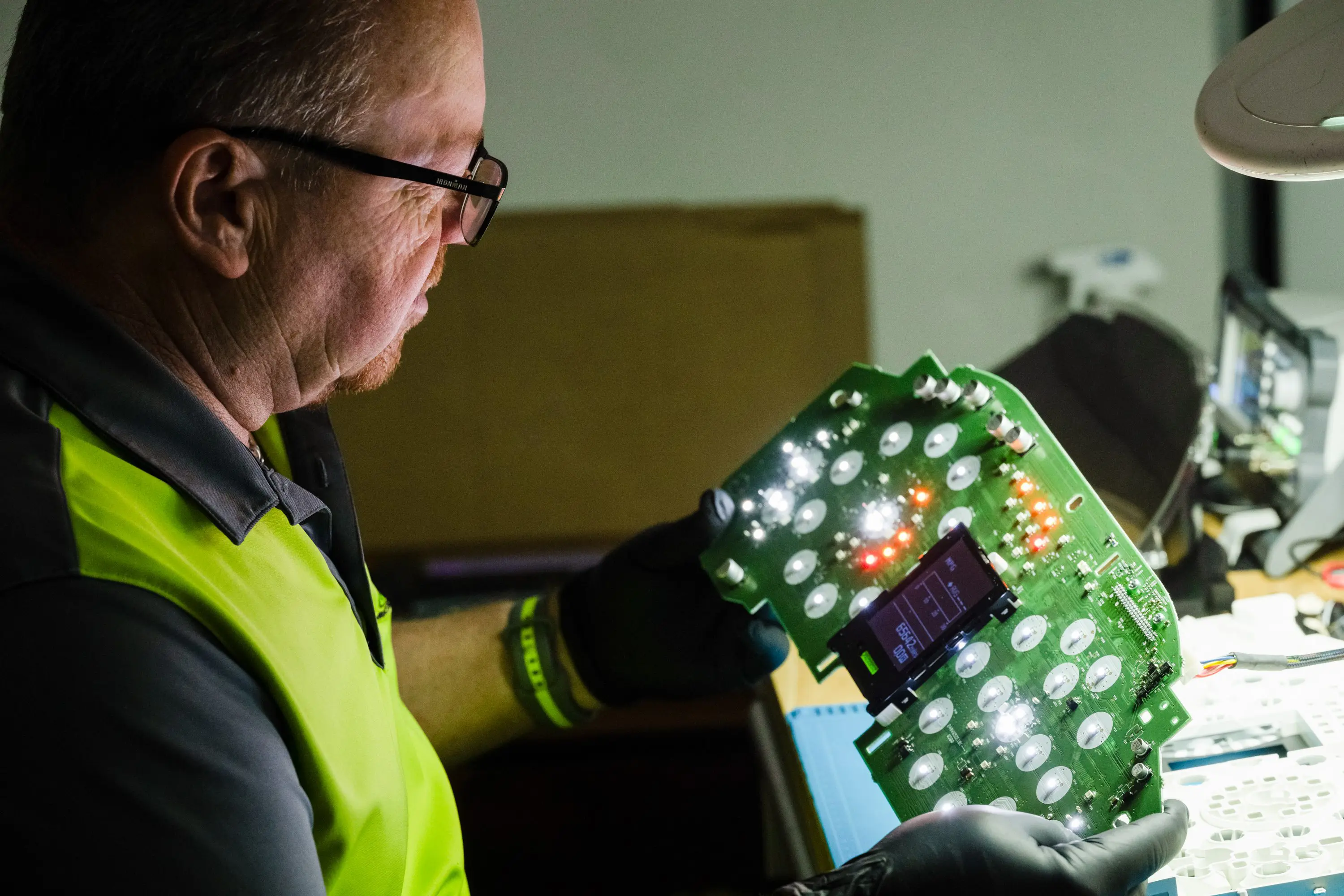

If you drive a GM truck, SUV, or any car with an instrument cluster, your gauges are vital. They show speed, fuel, temperature, and more—so when one fails, it’s not just annoying, it’s unsafe.
Auto Meter gauges offer precise readings, durable design, and sharp upgrades that improve both performance and safety. If your gauges are dim, stuck, or flickering, it’s time for expert help.
Digitech Auto Solutions repairs and upgrades GM clusters fast. You don’t pay a cent until you see proof that everything works.
Wondering which Auto Meter gauges are right for your vehicle? This guide breaks down your options and shows you what to look for.
Types of Auto Meter Gauges
Auto Meter gauges come in different styles and technologies, each with its own advantages. You’ll find both classic and modern types, which vary in how they show data, how they work, and their ease of use. Understanding these differences helps you pick the right gauge for your vehicle or repair.
Analog vs. Digital Gauges
Analog gauges use a needle that moves across a dial to show readings like speed, fuel, or temperature. These are easy to read at a glance because the needle position gives you a quick sense of normal or critical levels. Analog gauges rely on physical parts, making them simple but sometimes prone to wear.
Digital gauges display numbers or bar graphs on an electronic screen. They give precise readings and can show multiple pieces of information in a small space. Digital types often include backlighting for night visibility and are common in newer vehicles. However, they may be harder to read quickly compared to analog during fast driving.
Mechanical Gauges
Mechanical gauges work using physical linkages or fluids. For example, a speedometer cable connects from the transmission to the gauge, turning it as your vehicle moves. Mechanical gauges don’t need electrical power, which can be an advantage in older or custom cars.
These gauges are durable but can wear out or lose accuracy over time. Repairing mechanical gauges often means fixing or replacing small parts like shafts or gears.
Electronic Gauges
Electronic gauges use sensors to measure things like speed, oil pressure, or RPM. The sensors send electrical signals to the gauge, which converts them into numbers or needle movements. These gauges are usually more accurate and respond faster than mechanical ones.
They rely on your vehicle’s electrical system and may need computer calibration or diagnostics if they act up. When electronic gauges fail, you might see stuck or flickering needles. Trusted repair services diagnose and fix these problems quickly using OEM equipment.
Key Features to Consider
When choosing Auto Meter gauges, focus on how accurately they measure, how easy they are to read, and how well they hold up over time. These features directly affect your driving experience and help you keep your vehicle running safely and smoothly.
Accuracy and Precision
Accuracy is key with Auto Meter gauges. You depend on these instruments to give you exact readings like speed, temperature, and pressure. If the gauge isn’t precise, you might miss warning signs that could prevent bigger problems.
Look for gauges with calibrated sensors or ones compatible with your vehicle’s systems for the best accuracy. Some models even have self-calibration features to keep readings reliable. Auto Meter delivers precise measurements, which is why serious drivers and racers trust their products.
If you’re having issues with faulty readings, repair or recalibration through experts can restore accuracy without replacing the entire cluster.
Readability and Display
Clear visibility matters on your dash, especially while driving. Auto Meter gauges often use bold numbers and bright backgrounds to keep things easy on the eyes. Check if the display works well in different lighting, from bright daylight to nighttime.
Many gauges come with custom lighting options, such as LED upgrades, which improve visibility and add a modern touch. Some offer dimming controls so you can reduce glare without losing readability.
If your current gauges look dim or hard to read, expert cluster repair and lighting upgrades can help.
Durability and Materials
Choose gauges that last through heat, vibration, and daily use. Auto Meter builds its gauges with strong materials that resist cracking and fading. The housing is usually made from tough plastics or metals designed to handle harsh environments.
Look for gauges with sealed designs to prevent dust and moisture from getting inside. This helps maintain performance and reduces the chance of electrical issues. Some models also include shock-resistant features that protect the sensitive internal parts.
Select gauges built specifically for your vehicle type and driving conditions. Proper maintenance and professional repairs can extend their lifespan and save you money.
Installation and Compatibility
When adding Auto Meter gauges to your vehicle, make sure they fit well and work smoothly. Check if the gauge matches your vehicle’s make and model, decide the best way to mount it, and understand how to handle the wiring for proper connection.
Vehicle Compatibility
Auto Meter gauges fit many GM trucks and cars, but not every model will be a perfect match. Before buying, check if the gauge is made for your vehicle year and model.
Some kits are plug-and-play, connecting easily without extra modifications. Using a gauge not made for your vehicle can cause errors or poor performance.
Mounting Options
How you mount your Auto Meter gauge depends on the style you pick and your vehicle’s dashboard layout. Common mounting choices include dash pods, A-pillar mounts, or custom panels. Many gauges come with brackets or kits for easier installation.
Dash pods fit right on your dashboard and keep the look clean. A-pillar mounts place gauges close to your side window for quick glances.
Some users prefer having gauges embedded directly into the dash, but this often requires cutting or professional help. Choose a mounting style that fits your space and how you like to see your gauges while driving.
Wiring and Connections
Wiring your Auto Meter gauge correctly ensures accurate readings and safe operation. Many GM trucks have wiring kits that plug right in, reducing guesswork and time. These kits match OEM connectors and make installation plug-and-play.
If you’re wiring without a kit, connect power, ground, sensor signals, and sometimes lighting circuits carefully. Incorrect wiring can cause flickering gauges or damage to your vehicle’s electronics.
Use proper tools and follow the wiring guide that comes with your gauge to avoid mistakes. When in doubt, get help from a trusted professional to make sure everything is wired right and your gauges work perfectly.
Popular Applications for Auto Meter Gauges
Auto Meter gauges fit many types of vehicles and uses. They help you track important info like speed, RPM, and temperature. Whether you drive on a track, explore rough terrain, or restore a classic car, these gauges give you the details you need.
Performance and Racing
If you race or push your car hard, you need precise gauges. Auto Meter gauges show your RPM, oil pressure, water temperature, and boost levels. This info helps you know when to shift, spot engine trouble early, and avoid damage.
Features like bright displays and quick response times help you make fast decisions. Many gauges have customizable alarms, so you get alerts when something’s not right.
Off-Road Vehicles
Off-road driving requires gauges that handle bumps, mud, and rough conditions. Auto Meter designs these gauges to be rugged and often waterproof. They track oil temp, battery voltage, and transmission heat—critical for off-road engines under stress.
Durable LED lighting keeps your display visible at night or in dusty settings. You can mount gauges where they won’t get damaged or lose signal on rough trails.
Classic Car Restorations
Classic cars need gauges that match their style but offer modern reliability. Auto Meter gauges can be custom-fit to preserve your vehicle’s look with chrome trim or retro designs. You get the old-school feel with the accuracy of today’s tech.
Installing new gauges solves issues like stuck needles or dim lights. It also lets you upgrade to brighter LEDs or extra functions, improving safety and convenience.
Maintenance and Troubleshooting
Keep your Auto Meter gauges working well by paying attention to calibration and regular cleaning. Small issues can cause incorrect readings or dim displays. Fixing these quickly helps avoid bigger problems.
Common Calibration Issues
Sometimes, your gauges show the wrong readings or jump around. This usually happens because the needle isn’t aligned properly or the internal mechanism is worn. For speedometers or tachometers, poor calibration can cause your gauge to give false speed or RPM values.
Look out for:
- Gauges stuck on one number
- Needles that flutter or lag
- Clusters that reset or power down unexpectedly
If you notice these signs, calibration is likely needed. While you can try basic checks like resetting the battery or cleaning connectors, professional calibration works best.
Cleaning and Upkeep
Dust, dirt, and moisture can affect your gauges’ performance and visibility. Clean your instrument cluster regularly to keep your dashboard clear and undamaged.
Use a soft microfiber cloth with mild cleaner to wipe the face of your gauges. Avoid harsh chemicals or spraying cleaners directly on the cluster. Also, check for loose wiring or corrosion behind the dash if you notice flickering lights.
Keeping your gauges clean and dry helps maintain accurate readings and bright displays. If you see persistent dimming or stuck indicators after cleaning, professional service may be needed.
When to Repair vs. Replace Auto Meter Gauges
Not sure if your gauges need a full replacement or just a simple repair? You’re not alone. Knowing the difference can save you hundreds of dollars and hours of downtime.
Repair is usually the right choice if:
- The needles are stuck or misaligned
- Lights are dim or flickering
- Readings are off but consistent
In these cases, calibration or LED upgrades can restore your gauges to like-new condition. It’s fast, cost-effective, and keeps your original cluster intact.
Replacement may be needed if:
- The gauge face or housing is cracked
- Electronics are completely unresponsive
- Water or debris has caused internal damage
A professional diagnostic pinpoints the issue first, then we walk you through the smartest fix, whether that means a quick repair or a full replacement. No guesswork, no pressure.
Keep Your Gauges Working Right
Auto Meter gauges do more than look good—they help keep your vehicle safe, alert, and road-ready. When readings are off or needles act strangely, it’s a sign that something’s wrong.
Driving with a faulty cluster can lead to bigger issues you won’t see coming. That’s why it’s smart to fix problems early, even if they seem small or annoying.
Digitech Auto Solutions can inspect, repair, or upgrade your gauges without guesswork or delays. We use proven tools and expert care to get everything working exactly as it should.
Don’t ignore the signs — get your gauges checked and fixed before the issue grows. A clear, working cluster gives you peace of mind behind the wheel.
Frequently Asked Questions
Auto Meter gauges offer precise readings and custom options for your vehicle’s needs. You’ll want to know how to install them, where to find the right models, and how to pick the best sets for your car. Knowing what to check for when buying used gauges can also save you time and money.
How do I install an AutoMeter gauge kit in my vehicle?
Start by identifying the correct wiring for each gauge. Connect the power, ground, and sensor wires following the kit’s instructions.
Depending on your vehicle, you may need to remove parts of the dashboard to fit the gauges securely. Always test the gauges before full reassembly to ensure proper function.
Where can I find AutoMeter gauges for trucks?
Auto Meter gauges for trucks are available through specialized auto parts dealers and online retailers. For GM trucks, you can also rely on trusted repair shops.
They offer professional guidance and sometimes have a stock of popular gauge models fit specially for trucks.
What is the variety of AutoMeter electric gauges available?
Auto Meter offers a wide range of electric gauges, such as voltmeters, oil pressure, water temperature, and fuel level. Each gauge improves accuracy and visibility over factory options.
They also come in different sizes, styles, and lighting options to match your vehicle’s interior and your preferences.
How do I choose the right AutoMeter 3-gauge set for my car?
Start by identifying which three measurements you need most, such as oil pressure, water temperature, and voltage. Check your vehicle’s sensor compatibility to avoid extra adapters.
Choose a style that fits your dashboard and lighting preferences. Digitech Auto Solutions can help you select and install the right set for your setup.
What should I look for when buying used AutoMeter gauges?
Check for physical damage to the face, needles, and wiring connectors. Make sure the gauges respond and move smoothly when powered.
Ask if the seller has tested or repaired the gauges recently. Faulty gauges can cause incorrect readings and affect your vehicle’s performance.
How do AutoMeter gauges compare to other automotive gauge brands?
AutoMeter offers accurate readings and durable construction. They provide more customization options than many other brands.
Some brands cost less or have different features. Professionals at Digitech Auto Solutions trust AutoMeter for quality and reliability.