Sub-Total: $0.00
Custom Automotive Gauges: Easy Upgrades for Your Dash

Want a cleaner, more stylish dashboard? Custom automotive gauges let you control how your dash looks and works. You can brighten displays, change colors, or add new readouts like oil pressure or voltage.
These upgrades make it easier to spot problems early and improve how you see your gauges day or night. Some drivers want modern features; others just want better visibility or a fresh interior look.
Whether you drive daily or build cars for fun, custom gauges give you clear data and personal style. If your cluster is dim, slow, or off, Digitech Auto Solutions can repair or upgrade it with expert care.
Keep reading to learn how custom automotive gauges work and how to choose the right ones for your setup.
What Are Custom Automotive Gauges?
Custom automotive gauges let you change how your vehicle’s dashboard looks and works. You can improve visibility, add style, or get more detailed information than stock gauges offer. Change colors, lights, and even the types of measurements your gauges show.
Definition and Purpose
Custom automotive gauges are modified or specially built instruments that replace or enhance the original gauges in your vehicle. They provide clear and accurate readings of key vehicle data like speed, fuel level, engine temperature, or RPM.
You might choose custom gauges for better visibility in low light, a unique look, or to track extra vehicle info that stock gauges don’t provide. For example, LED lighting upgrades improve gauge brightness, while custom dials and needles add personal style.
Types of Gauge Customization
You can customize automotive gauges in several ways:
- Lighting: Replace standard bulbs with LED lighting to brighten your dashboard and save energy.
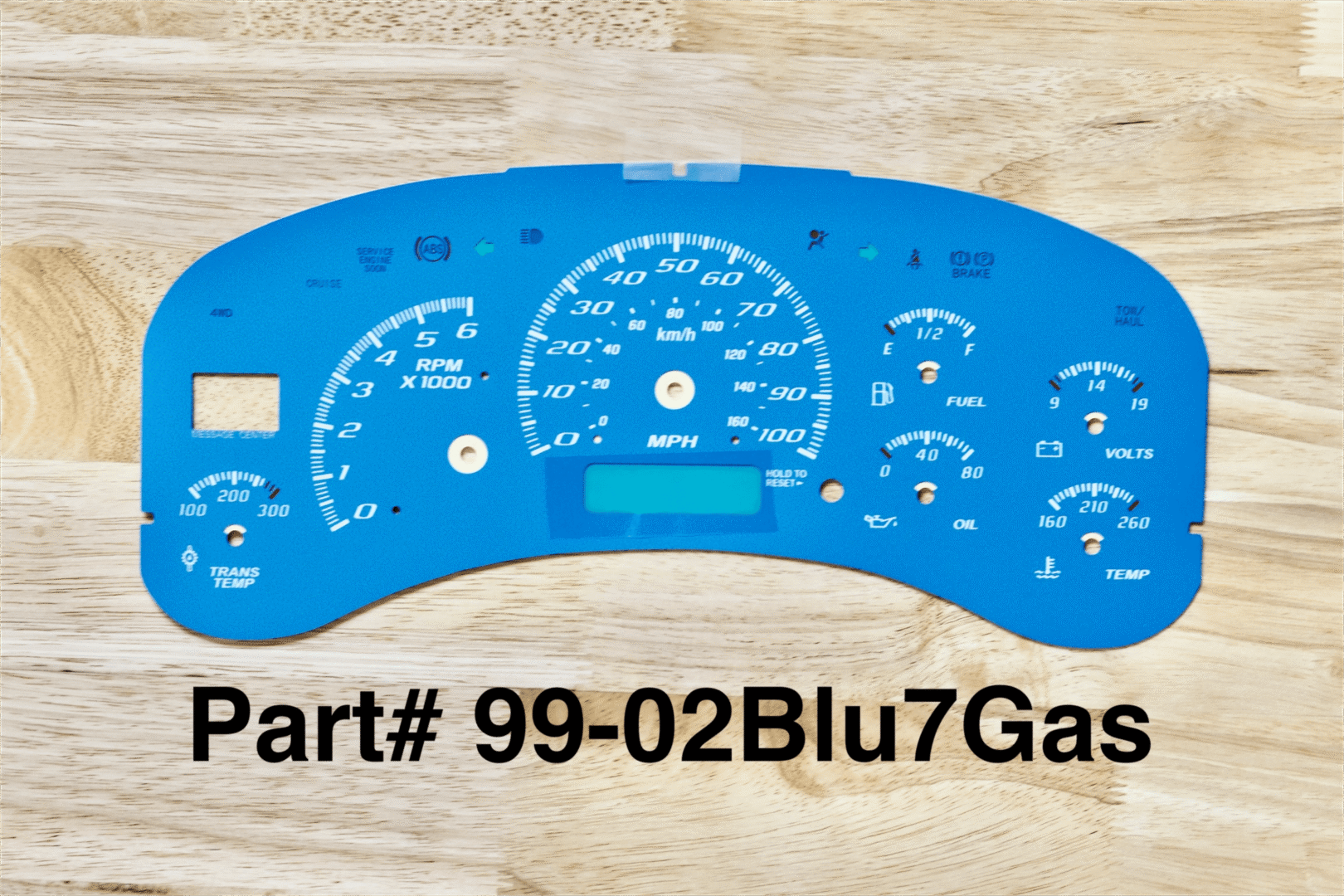
- Dial Faces: Change colors, fonts, or designs on gauge faces to match your vehicle’s interior.
- Needles: Use different needle shapes or colors for better visibility and style.
- Additional Gauges: Add boost, oil pressure, or voltage gauges if your vehicle didn’t come with them.
- Materials: Upgrade chrome rings, lenses, or faceplates for a modern look.
Each change can improve how your gauges look and how easily you read them while driving.
Popular Applications
Custom gauges are popular with car owners who want more control over their vehicle’s dashboard. They’re common in:
- Performance Vehicles: Drivers who need extra readings, like turbo boost or exhaust temperature.
- GM Trucks: Owners upgrade LED lighting or add chrome rings for style and function.
- Restoration Projects: Custom gauges restore older vehicles with modern features and reliable parts.
- Daily Drivers: Regular cars benefit from brighter, easier-to-read gauges for safer driving.
Trusted services handle everything from simple LED upgrades to full cluster rebuilds.
Key Features and Benefits
Custom automotive gauges give you better control over how you monitor your vehicle. They provide clear, accurate information and add personal style to your dashboard. Here are important features and benefits that can improve your driving experience.
Enhanced Vehicle Monitoring
With custom gauges, you get real-time data that is easy to read and focused on what matters most to your car. You can spot issues early, like overheating or low oil pressure, before they become bigger problems.
You can also choose gauges that show extra info not in stock clusters, such as boost levels, battery voltage, or exhaust temperature. This helps you stay on top of your engine’s health and performance.
Find a reputable service that upgrades and repairs your instrument cluster to make it more reliable and responsive. You’ll get better visibility in all lighting conditions, so you never miss a critical warning.
Improved Accuracy and Precision
Standard gauges can drift or update slowly. Custom automotive gauges use better sensors and advanced electronics for improved accuracy. You get data that closely matches what your vehicle experiences.
Your speedometer, tachometer, fuel gauge, and other instruments work as they should, reducing guesswork. Accurate gauges help you drive safer and protect your engine.
Professionals at Digitech calibrate your gauges to function perfectly. You won’t have to worry about sticky needles or false alerts.
Aesthetic Customization Options
Custom gauges let you change your dashboard’s look to match your taste. Pick colors, fonts, lighting types (like LED upgrades), and finishes like chrome or carbon fiber.
This makes your car’s interior more attractive and unique. Brighter and more even lighting improves nighttime visibility and reduces eye strain.
Whether you want a classic, modern, or sporty look, custom gauge options let you design your instrument cluster to fit your style while keeping all key functions easy to read and reliable.
Choosing the Right Custom Gauges
Choosing custom automotive gauges means matching them to your vehicle, picking the best display types, and ensuring they work well with your sensors. These choices affect how accurate and easy to read your gauges are, and how well they fit your car’s style and technology.
Compatibility with Vehicle Models
Your custom gauges must fit your vehicle’s make and model. This makes wiring simple and avoids errors in readings. For GM vehicles, choose gauges designed for their specific electrical systems and dashboards.
Using gauges that don’t match your vehicle can cause false readings or damage. Some gauges fit universal dashboards but may need extra adapters or modifications. Always check if the gauge supports your vehicle’s year and system type.
Display Technologies and Materials
Gauge displays can be analog, digital, or a mix of both. Analog gauges use needles and dials for a classic look and quick readability. Digital displays give precise numbers and can show multiple metrics on one screen.
Materials affect durability and style. Common choices include clear acrylic for lenses and chrome or black bezels. LED backlighting is popular for better visibility at night and long-lasting color.
Think about where and how you drive. Bright daylight may need anti-glare displays, while night driving benefits from dimmable LEDs. Quality materials protect your gauges from heat and vibration, improving their lifespan.
Sensor Integration
Your custom gauges need to work with your car’s sensors. They must match the sensor type—like electrical, mechanical, or CAN bus systems—that your vehicle uses.
If gauges and sensors don’t communicate correctly, you get inaccurate or delayed information. Proper sensor integration prevents dashboard errors like a speedometer that won’t move or fuel gauges that jump around.
When choosing custom gauges, confirm they support your vehicle’s sensor outputs. Professionals use advanced diagnostics to ensure sensors and gauges sync perfectly. This keeps your dashboard reliable.
Installation and Calibration
Installing and calibrating custom automotive gauges requires attention to detail for accuracy and reliability. Whether you do it yourself or hire a professional, understanding the key steps and possible challenges is important. Proper calibration helps your gauges provide precise readings.
DIY vs. Professional Installation
You can install custom gauges yourself if you have basic wiring skills and the right tools. This usually involves disconnecting the battery, removing the dashboard or cluster panel, and wiring the new gauges to the vehicle’s power, sensors, and ground. DIY installation can be tricky if your vehicle has complex circuits or electronics.
Professional installation ensures expert setup using factory OEM equipment. Pros secure connections and integrate your new gauges correctly with your car’s systems. This reduces the risk of damage, wrong readings, or electrical problems. Professional installation often includes calibration with advanced diagnostic tools for top performance.
Calibration Steps
Calibrating your gauges means adjusting them to show accurate readings for speed, fuel, temperature, or other measurements. Connect your vehicle to a diagnostic tool to compare the gauge’s readings with real sensor data.
Adjust the gauge needle, backlighting, and zero points if needed. Some gauges allow digital calibration through a menu or software, while others require manual adjustment screws or dials.
Test the gauges after calibration by driving under different conditions to confirm consistent accuracy. Calibration ensures your custom gauges show your vehicle’s true status, avoiding false warnings.
Common Installation Challenges
You might face these issues during installation or calibration:
- Incorrect wiring: Gauges may not work or may work erratically.
- Compatibility problems: Not all gauges fit every vehicle model.
- Lighting issues: Poor backlighting or dim displays reduce visibility.
- Sensor errors: Faulty or incompatible sensors send wrong data.
- Dashboard fit: Custom gauges may need modifications to fit behind your dash.
To avoid these issues, use OEM wiring diagrams and consult with an expert. This ensures smooth installation and calibration, saving you time and money.
Maintenance and Troubleshooting
Keep your custom automotive gauges working well by maintaining them regularly and spotting problems early. Check your gauges, clean connections, and know when to upgrade or replace parts to keep everything accurate and reliable.
Routine Maintenance Tips
Visually inspect your gauges often. Look for dim lighting, inaccurate readings, or unusual needle movement. Clean dust and dirt from the gauge face and connectors with a soft cloth.
Check wiring connections for corrosion or loose plugs. Poor connections can cause flickering or faulty signals. Make sure your vehicle’s battery and charging system are in good condition, as low voltage can affect gauge performance.
Suppose you notice dim lights, upgrade to LED bulbs. They last longer and improve visibility without extra power drain.
Identifying Malfunctions
When a gauge stops working or shows wrong readings, act quickly. Signs include needles stuck at zero, fluctuating speedometers, or fuel gauges that don’t move. These problems often come from broken sensors, bad wiring, or worn-out cluster components.
If gauges flicker or the display goes dark, check the power supply or grounding. In some GM vehicles, a failing instrument cluster causes these issues and needs professional testing.
Use this checklist for troubleshooting:
- Check the fuse and power to the cluster
- Inspect wiring and connectors
- Test sensors and senders
- Look for software or calibration errors
Early troubleshooting helps you avoid bigger repairs or unsafe driving conditions.
Troubleshooting Dim or Stuck Custom Gauges
A stuck needle or dim display may seem minor, but it could point to a bigger issue inside the cluster. First, check your power and ground connections. Loose wires often cause gauge flicker or failure.
Inspect lighting circuits if LED upgrades were installed recently. A mismatch can dim the whole panel. For stuck needles, try a reset by cycling the power. If that fails, the motor may be worn or out of sync.
Consistent issues mean it’s time to test sensors or replace small internal parts like motors or boards. Quick troubleshooting can restore your cluster fast and prevent costly damage to vehicle electronics.
Replacement Parts and Upgrades
Replacing worn or broken parts can restore your gauges. Common replacement parts include bulbs, sensors, needle motors, and circuit boards. Use OEM-quality parts for proper fit and function.
For custom upgrades, consider LED lighting kits, chrome bezels, or complete gauge swaps to match your style and improve visibility. Experts should handle these upgrades to avoid damage and keep the gauges accurate.
Take Control of Your Dashboard
Custom automotive gauges give you more than style—they keep your vehicle’s info clear and accurate. Whether you’re adding new features or fixing old ones, small changes can improve your driving experience.
A clean, working cluster helps you see problems early and gives you more confidence behind the wheel. Custom lighting, needles, and added gauges all help you drive safer and smarter every day.
If your cluster needs help or a full refresh, Digitech Auto Solutions is ready to upgrade it the right way. Don’t settle for dim or faulty gauges — upgrade with care and drive with confidence again.
Frequently Asked Questions
Finding the right gauges means balancing style, function, and fit. Learn how to pick the perfect set for your vehicle, where to find dependable manufacturers, and what options work best for classic cars. Get tips on the latest tech for custom builds and buying in the USA.
How do I choose the best aftermarket gauges for my car?
Start by deciding what you want to monitor—speed, RPM, fuel, or something else. Check if the gauges fit your dashboard and match your car’s electrical system. Choose reliable brands that use quality parts for accuracy and durability.
Consider the style, too. Some gauges offer LED lighting or custom faces for a modern look.
Where can I find manufacturers of custom automotive gauges?
Look for companies with a strong reputation for quality and service. Some specialize in specific brands, like GM or classic models. Choose those that offer repair services alongside custom builds for ongoing support.
Digitech Auto Solutions is a trusted source, especially for professional repairs or custom upgrades with fast turnaround times.
What options are available for custom instrument clusters for classic cars?
Classic cars often need restoration with custom features. Many manufacturers offer clusters with original-style dials but modern internals for better accuracy. LED lighting upgrades improve visibility without changing the vintage look.
You can also find clusters that support modern sensors, so you get a classic design with new technology.
Can I get custom gauges made for any make or model of vehicle?
Yes, most custom gauge makers can create sets tailored to your specific vehicle, whether it’s a common model or a rare classic. You need to provide details like the year, make, and sensor info to get the right fit and function.
Professional installation can save time and ensure proper operation.
What’s the latest in digital automotive gauge technology for custom builds?
Digital gauges now offer high-resolution, full-color displays with customizable layouts. You can switch views, add warning lights, and connect to your car’s computer for real-time data. Some also let you integrate with your smartphone for added convenience.
These digital options make your dashboard cleaner and easier to read, giving you control over the information you see.
How can I purchase custom automotive gauge sets in the USA?
You can order custom gauges online from specialty shops or local experts. Look for companies that communicate clearly, ship quickly, and offer helpful support.
At Digitech Auto Solutions, you fill out a service form to start your repair or upgrade. They send detailed updates and video proof before you pay, which makes the process simple and trustworthy.